
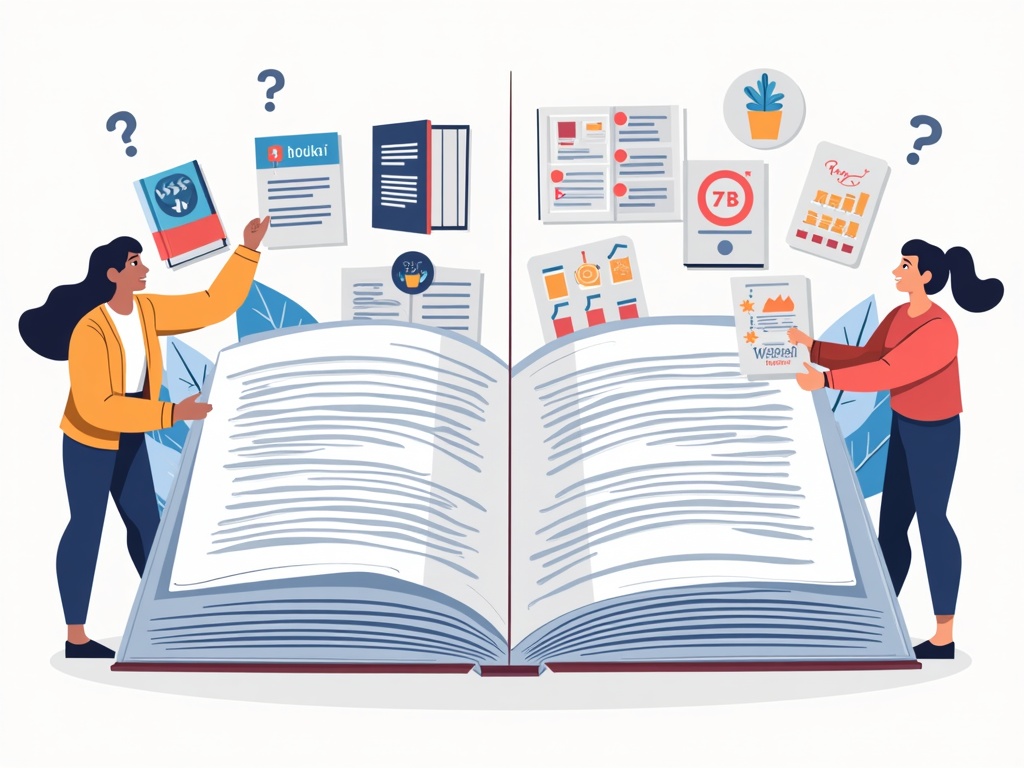
AI Book Generator for KDP BookAutoAI vs Wababai Expert Review
Bookautoai vs Wababai.com Review
Estimated reading time: 8 minutes
- BookAutoAI offers fast, automated book creation ideal for self-publishers.
- Wababai provides a more controlled, iterative writing experience.
- Both platforms have strengths in different publishing scenarios.
- Understanding pricing and features helps authors choose the right tool.
- A careful post-generation edit is advisable no matter the choice.
Table of Contents
- Introduction
- What the Platforms Promise
- BookAutoAI in More Detail
- Wababai
- Who Should Consider Each Platform
- Practical Takeaways for AI Book Writers and Non-Fiction Authors
- How This Topic Connects to BookAutoAI’s Services and Expertise
- A Realistic Comparison and Who Should Pick Which
- A Practical Plan for AI Book Writers and Non-Fiction Authors
- Call to Action
- Sources
What the Platforms Promise (at a Glance)
- BookAutoAI: Fast, high-volume book creation with full formatting and commercial publishing rights.
- Wababai: Focused on iterative content refinement and granular control over the drafting process.
BookAutoAI in More Detail: How it Works and Who it’s For
What You Get with BookAutoAI
- Full-length, ready-to-upload non-fiction: Typically 100+ pages, formatted for direct uploading.
- Humanized AI text: Designed to avoid an obvious AI voice, with some potential for post-generation editing.
- Fully automated formatting and design: Ready for direct upload after generation.
- Commercial rights: All content generated comes with rights for publishing.
- Speed and scale: Generate content quickly, even multiple titles within a month.
- Pricing and guarantees: Plans ranging from $35 to $100 per month with a 30-day money-back guarantee.
Wababai: What the Other Side Looks Like
- Iterative control and editing: Focuses on hands-on input and stepwise editing.
- Limited public data: Less independent coverage, making specific comparisons challenging.
Who Should Consider Each Platform
BookAutoAI is a Great Fit for:
- Authors wanting quick publication with minimal editing.
- Self-publishers needing fast formatting and keyword optimization.
- Writers who value commercial rights and straightforward publishing paths.
- Those willing to do some post-editing.
- People looking for clear pricing tiers.
Wababai May Appeal to:
- Authors wanting a slower, controlled drafting process.
- Writers looking to shape voice and structure iteratively.
- Those comfortable with longer processes for better editorial control.
Practical Takeaways for AI Book Writers and Non-Fiction Authors
- Define your publishing goals first to match with the appropriate platform.
- Use humanized AI as a base but plan for necessary edits.
- Leverage automated formatting and design features to save time.
- Optimize for discoverability using built-in tools.
- Think in volumes for a robust publishing strategy.
- Plan for post-generation quality checks to enhance readability.
- Assess rights to ensure monetization without issues.
- Consider hands-on demos to experience the platform’s capabilities.
How This Topic Connects to BookAutoAI’s Services and Expertise
- Speed and scale align: Enables rapid publication of extensive works.
- Humanization and platform safety: Supports long-term publishing through platform-friendly text.
- End-to-end workflow: Automates formatting, keyword optimization, and design.
- Quality vs. speed: Acknowledge the need for editing even with speed advantages.
A Realistic Comparison and Who Should Pick Which
- If you want the fastest path to market, consider BookAutoAI.
- If you desire more control over writing, Wababai might be preferable.
A Practical Plan for AI Book Writers and Non-Fiction Authors
- Decide on your publishing speed.
- Prepare a solid book outline and structure.
- Test with a sample book on BookAutoAI.
- Optimize your book for Amazon KDP.
- Budget for post-generation edits to enhance quality.
- Consider a multi-book strategy to build authority.
Call to Action
If you’re ready to see how BookAutoAI can accelerate your non-fiction publishing journey, visit BookAutoAI and try our free demo book to experience the workflow firsthand.
Sources (for hyperlinks and further reading)
- BookAutoAI and Wababai AI Book Generator for KDP Authors
- BookAutoAI Pricing & Plans (2025): Full Breakdown
- BookAutoAI Review for KDP & High-Content Publishing
Bookautoai vs Wababai.com Review Estimated reading time: 8 minutes BookAutoAI offers fast, automated book creation ideal for self-publishers. Wababai provides a more controlled, iterative writing experience. Both platforms have strengths in different publishing scenarios. Understanding pricing and features helps authors choose the right tool. A careful post-generation edit is advisable no matter the choice. Table…