
AI Book Generator for KDP Authors A Practical Guide
BookAutoAI vs ScribeCount: A 2025 Review for Indie Authors
Estimated reading time: 8 minutes
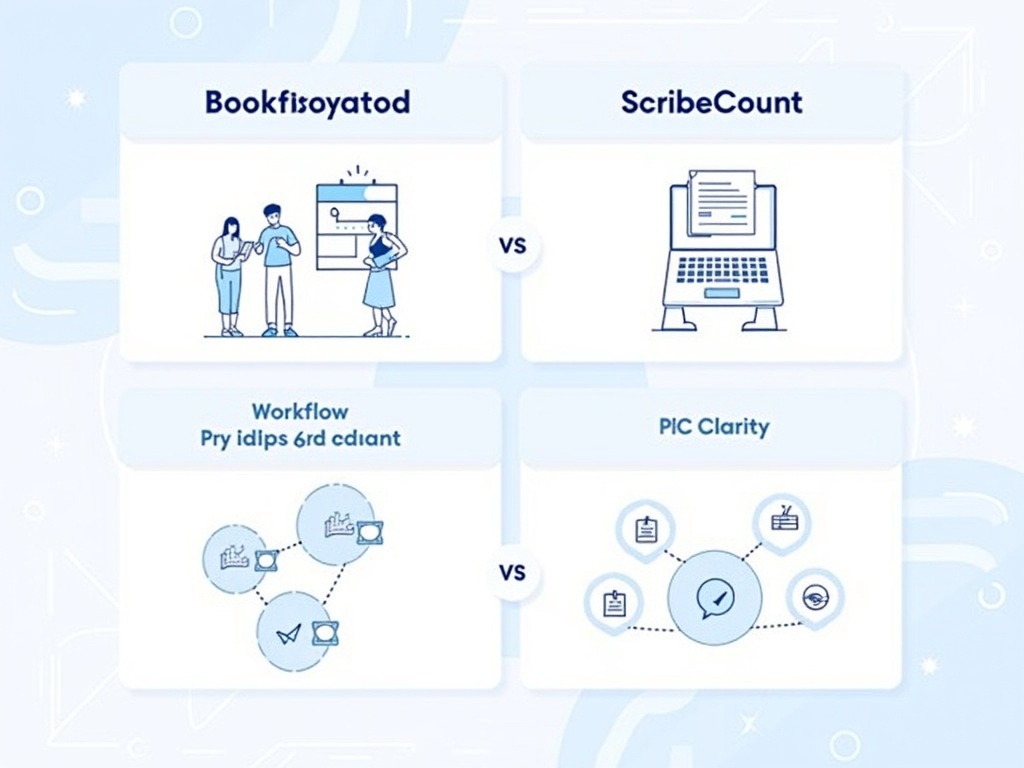
- Understanding Tools: BookAutoAI focuses on content generation while ScribeCount handles sales analytics.
- Workflow Integration: Using both tools can streamline the publishing process significantly.
- Pricing Clarity: Both tools offer affordable solutions for indie authors, but they target different aspects of publishing.
- Complementary Benefits: They are not competitors; they serve different needs in the indie author’s journey.
Table of Contents
- Introduction: Why this comparison matters
- What each tool does best (and why they matter)
- How they fit into a typical indie publishing workflow
- Why the two tools aren’t enemies — they’re complementary
- Key findings from current research (in plain terms)
- What it means for AI book writers and non-fiction authors
- Connecting to BookAutoAI’s services and expertise
- A simple, practical workflow for authors (with a nod to automation)
- How to leverage this blend for success
- Why this matters for the indie author community
- Source highlights and where to learn more
- Important caveats for readers
- Call to action: try the free demo and see the difference
- Bottom line
- Take the next step
Introduction: Why this comparison matters
In the indie world, authors wear many hats. You write, format, upload, market, and then track how your book is doing. ScribeCount is famous for keeping all sales data in one place, pulling numbers from lots of stores, while BookAutoAI focuses on making the actual content. Think of BookAutoAI as a production line for your book, and ScribeCount as a dashboard that shows you how that production is paying off. This blog dives into how they work, what to expect, and how you can use both to grow your author business.
What each tool does best (and why they matter)
ScribeCount: a powerful sales analytics machine
- What it does: ScribeCount collects sales data from multiple platforms (Amazon KDP, Apple Books, Google Play Books, Barnes & Noble, Kobo, BookBub, Chirp, TikTok, YouTube, Hello Books, and more) and puts it into a single, easy-to-read dashboard. It helps wide authors who publish across many retailers see what’s working where.
- Why it’s valued: You can sort data by geography, marketplace, series, dates, and custom tags. This makes it possible to analyze marketing effectiveness across channels and adjust your strategy.
- How it respects privacy: ScribeCount reads published book pages rather than accessing author accounts directly, which can be a comfort for some creators worried about security.
- Pricing snapshot: A common understanding from reviews places an accessible price point around $9.99/month for full features, making it a practical analytics option relative to other options.
- Source links: Kindlepreneur’s “My ScribeCount Review for 2025”. You’ll also see comparisons like Book Report vs. ScribeCount discussed in video format (youtube.com/watch?v=qfmAwF4AXZs).
BookAutoAI: the content engine for non-fiction
- What it does: BookAutoAI is an AI-powered book generation tool designed for self-published authors targeting Amazon KDP and high-content publishing. It emphasizes automated content creation, formatting, and delivery.
- Why it’s valued: The platform is pitched as providing full books that read naturally and consistently, with automated formatting so the work is ready for upload. It’s designed for high-volume, content-rich non-fiction.
- How it’s structured: Three pricing tiers with growing word-generation limits, plus features touted around “humanized” writing and formatting readiness. The extra research notes a focus on building full non-fiction books at scale, and claims around formatting for KDP publication.
- What to watch: Independent reviews flag important considerations around content quality, originality, and potential risks (copyright, ToS compliance, market saturation). The tool is positioned as one option in a broader AI-writing landscape, not a magic solution for every author.
- Source links: RevenueGeeks’ “BookAutoAI Pricing & Plans (2025): Full Breakdown”. BookAutoAI’s own blog post on “AI Book Generator for KDP Authors”. Also, the BookAutoAI blog and content hub often discuss comparisons with ScribeCount.
How they fit into a typical indie publishing workflow
- The production-to-publishing path: Authors usually write, format, and upload their book first, then track performance after launch. BookAutoAI can shorten the writing and formatting phase by generating and formatting content for KDP-ready delivery. ScribeCount can then be used to measure how that book performs across multiple platforms, helping you refine your marketing and pricing.
- The data-to-content loop: Use ScribeCount to identify which markets or promotions are driving sales. Then apply BookAutoAI to generate new content or updates tailored to your strongest markets. The two tools together support a feedback loop: data informs content decisions, and content drives more data.
- The privacy and risk angle: ScribeCount reads published pages, not your private accounts, which some authors prefer for security. BookAutoAI handles content generation and formatting, but authors should stay mindful of AI content guidelines, originality, and platform rules as they publish.
Why the two tools aren’t enemies — they’re complementary
- Different jobs, same goal: BookAutoAI targets the creation and formatting phase; ScribeCount targets the post-publish analytics and marketing side. Independent reviews and analyses note that many indie authors use both tools at different stages of their workflow.
- Marketing overlap, not a direct clash: BookAutoAI’s content-centric positioning appears in many BookAutoAI blog posts that also reference ScribeCount comparisons, showing how the ecosystem often talks about both tools, even if they don’t compete head-to-head.
- Practical takeaway: If you want a smoother indie publishing pipeline, consider using BookAutoAI for fast, high-volume content creation and formatting, while relying on ScribeCount to optimize distribution, pricing, and promotions across retailers.
Key findings from current research (in plain terms)
- ScribeCount’s strength is data organization and multi-platform tracking, with flexible views by geography, marketplace, series, dates, and tags.
- BookAutoAI is positioned as an AI content generator for high-content publishing on KDP, with tiered pricing based on word limits and books per month.
- Privacy posture differs: ScribeCount reads published content pages for analytics, not author accounts; BookAutoAI focuses on generation and formatting capabilities.
- The market context shows both tools as part of a broader indie publishing toolkit, and many creators reference both in their content and reviews to illustrate a complete workflow.
- Independent reviews note pricing differences, with ScribeCount often described as affordable analytics, while BookAutoAI’s pricing is higher and tied to word- and book-count tiers.
What it means for AI book writers and non-fiction authors
- Practical takeaways:
- Map your workflow: Decide which step you want to automate first. If you write a lot of non-fiction, BookAutoAI can accelerate draft creation and formatting for KDP.
- Use analytics to guide topics: After you publish, use ScribeCount to see which topics or formats perform best in different markets. Use those insights to guide future book topics or updates.
- Test for quality and compliance: AI-generated content should be reviewed for factual accuracy, originality, and adherence to Amazon KDP and platform ToS. Don’t rely solely on automation for final publication.
- Invest in formatting once: BookAutoAI’s formatting capability aims to save you time so you can focus on content quality and marketing.
- Consider long-term value: A stable analytics routine (via ScribeCount) helps sustain sales by informing pricing and marketing strategies across stores.
Connecting to BookAutoAI’s services and expertise
- BookAutoAI positions itself as an AI-powered book generator for non-fiction, with emphasis on long-form, consistent writing and formatting that’s ready to upload. The service emphasizes “humanized” content that’s designed to pass algorithms that test for detector-like AI signatures, and it touts full-format readiness so you don’t waste time on post-production steps.
- The company markets a streaming-style workflow: you provide a title or topic idea, and BookAutoAI selects the appropriate expert-level approach for that category to write the book. The promise is an impressive balance of speed, consistency, and originality in the final manuscript while keeping the content aligned with top-tier non-fiction standards.
- A practical edge for authors: BookAutoAI’s integrations and automation feel aim to reduce the friction between ideation and publishing, letting authors move quickly through drafting, formatting, and uploading to platforms like Amazon KDP.
A simple, practical workflow for authors (with a nod to automation)
- Step 1: Topic planning and outline
- Use BookAutoAI to generate a rough outline based on your chosen non-fiction topic.
- Review the outline, adjust chapters, and approve the structure.
- Step 2: Content generation and editing
- Generate draft chapters with BookAutoAI, focusing on clarity and reader-friendly language.
- Do a light human edit to ensure accuracy and voice.
- Step 3: Formatting and packaging
- Let BookAutoAI format the manuscript for KDP or your preferred platform so it’s upload-ready.
- Step 4: Publish and track
- Upload your book to KDP and other platforms if you publish wide.
- Use ScribeCount to monitor sales across stores, track performance, and see what markets respond best.
- Step 5: Optimize and iterate
- Review analytics, adjust pricing or promotions, and plan future titles based on what works.
How to leverage this blend for success
- Build a lean publishing system: Combine BookAutoAI’s generation and formatting with ScribeCount’s cross-store analytics to run a lean, data-informed publishing business.
- Focus on quality and compliance: Use AI to accelerate writing, but always verify facts, ensure originality, and comply with platform rules to protect your long-term author career.
- Embrace structured automation: Explore n8n or similar automation platforms to connect content generation, formatting, uploading, and sales reporting into a smooth, repeatable process.
Why this matters for the indie author community
The indie publishing space thrives on speed and data. BookAutoAI helps you produce content faster, while ScribeCount empowers you to measure and optimize performance. Alone, they’re powerful; together, they can help you publish more, smarter, and with a clearer view of what works.
Source highlights and where to learn more
- ScribeCount overview and comparisons:
- BookAutoAI pricing and capabilities:
- Community discussions and formatting guidance:
- BookAutoAI as a content resource:
Important caveats for readers
- Independent reviews highlight risks with AI-generated content for KDP publishing, including potential copyright concerns, originality questions, and market saturation. It’s essential to use AI tools responsibly, verify facts, and maintain human oversight to protect the quality and integrity of your books.
- Pricing and features may evolve. Always check current pricing on official pages and reviews to get the latest numbers before committing.
Call to action: try the free demo and see the difference
If you’re ready to explore how an AI-powered book generator can accelerate your non-fiction projects, visit BookAutoAI and try the free demo. See how the platform’s formatting and content generation can turn ideas into upload-ready manuscripts quickly, then pair that with ScribeCount for clear, actionable sales insights. For a taste of how these tools work together in a real publishing workflow, sign up for a free demo on BookAutoAI today.
Bottom line
- BookAutoAI and ScribeCount serve different but highly compatible needs in the indie publishing world: production and post-publication analytics.
- For non-fiction authors aiming to publish efficiently on Amazon KDP and beyond, using both tools in tandem can streamline your workflow, improve content output, and provide a clear view of what sells and why.
- The growing trend toward automation reinforces the value of connecting content creation, formatting, uploading, and analytics into a seamless process.
Take the next step
- Explore BookAutoAI for content generation and formatting.
- Pair it with ScribeCount to track multi-platform sales and marketing performance.
- Consider additional automation to connect these tools and automate repetitive tasks.
Your next chapter awaits. Try BookAutoAI’s free demo now and see how easy it can be to turn ideas into ready-to-upload non-fiction books for KDP and other platforms.
BookAutoAI vs ScribeCount: A 2025 Review for Indie Authors Estimated reading time: 8 minutes Understanding Tools: BookAutoAI focuses on content generation while ScribeCount handles sales analytics. Workflow Integration: Using both tools can streamline the publishing process significantly. Pricing Clarity: Both tools offer affordable solutions for indie authors, but they target different aspects of publishing. Complementary…