
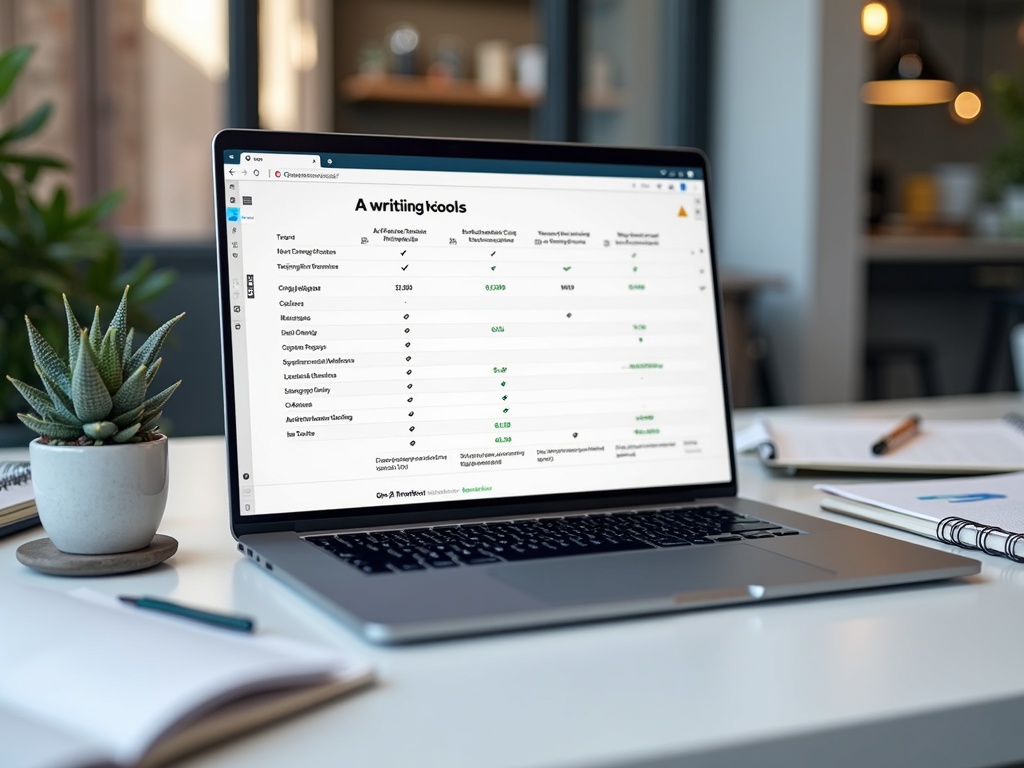
BookAutoAI vs BookBud AI KDP AI Book Generator Review
Bookautoai vs Bookbud AI Review
- Comparison of Bookautoai and Bookbud AI on key features.
- Insights into pricing structures and user experiences.
- Guidance for authors on choosing the right tool for their needs.
- Practical advice on polishing and formatting your manuscript.
- Understanding how these tools fit into your overall publishing strategy.
- Introduction
- What this post covers and why it matters
- A quick snapshot: how Bookautoai and Bookbud AI differ
- What the research and reviews say (the facts you can rely on)
- What this means for authors: who should use which tool?
- Important caveats and what to expect in practice
- Three practical takeaways for AI book writers
- How this topic connects to BookAutoai’s services and expertise
- A note on the broader market landscape
- In-depth look at the numbers and sources (for reference and potential hyperlinks)
- Best practices for AI book writers (step-by-step)
- A direct call to action for authors
- Conclusion: choosing the right tool for your publishing journey
- Sources
- FAQ section
Introduction
This week’s hot topic in the AI book writing world is a clear comparison: Bookautoai vs Bookbud AI. Both platforms promise to speed up how you write, edit, format, and publish books. But they’re not the same. Readers and authors want to know which one actually helps you create clean, ready-to-publish non-fiction fast, and which one feels more like a rough draft machine. In this post, we break down what each tool does, what reviews say, what you should expect in real life, and how BookAutoai’s services fit into this landscape. By the end, you’ll see practical takeaways for non-fiction authors and a clear path to deciding which approach fits your publishing goals.
What this post covers and why it matters
- We compare Bookautoai and Bookbud AI on length, polish, editing, formatting, speed, and pricing.
- We pull together independent reviews and pricing details so you can judge value.
- We connect the dots to show how these tools fit into your broader publishing plan, including steps authors can take to prepare a book for market.
- We share actionable advice for AI book writers, including how to plan, format, and publish faster with confidence.
A quick snapshot: how Bookautoai and Bookbud AI differ
- Output length and polish
- Bookautoai aims to deliver full-length non-fiction books with natural, humanized writing. It emphasizes long-form output (100+ pages) with sentence structures designed to feel human and less AI-like, plus built-in formatting and cover options for direct upload to major platforms.
- Bookbud AI is popular for fast drafts and quick distribution of ebooks, print, and audiobooks, but reviewers say the writing can feel rough, and the polish, discovery features, and formatting can be limited.
- Editing and formatting
- Bookautoai puts a strong emphasis on formatting readiness and KDP safety. It’s pitched as a one-stop solution: write, format, and upload, with fewer post-writing tweaks needed.
- Bookbud AI tends to be stronger for quick drafts, but mid-stream outline edits and formatting snags are common complaints among reviewers.
- Speed and delivery
- Bookautoai markets very fast or instant delivery depending on plan, with automated long-form output crafted to be ready for upload in minutes or hours.
- Bookbud AI focuses on rapid drafting and distribution but is usually used for rough drafts rather than fully polished, market-ready books.
- Pricing and plan structure
- Bookautoai uses a subscription model with multiple tiers that increase in words, speed, and rights. Typical summaries show plans such as Saver, Standard, and Pro, with monthly pricing and generous usage for more books and longer word counts.
- Bookbud AI uses per-book pricing, often quoted as starting around $15-$25 per book, with optional formatting for print and ebook distribution.
What the research and reviews say (the facts you can rely on)
BookBud AI
- Strengths: Convenience for self-published authors; good for quick drafts and distribution across ebooks, print, and audiobooks. Source reviews highlight ease of starting quickly and shipping drafts out fast.
- Weaknesses: Limited advanced research and discovery features; restricted outline editing flexibility; formatting issues that can crop up mid-project; output can feel bland or impersonal and not as polished as final manuscripts. Pricing starts per book, often in the $15–$25 range, which can be cost-effective for rough drafts but adds up for multiple projects. Source references include:
BookAutoAI
- Strengths: Claims to deliver full-length books (100+ pages) with humanized sentence structures designed to feel more natural and less like AI text. Built-in formatting and cover design help ensure direct upload readiness (KDP-safe). It emphasizes speed, with options for instant or rapid delivery, and commercial rights. Pricing is tiered by plan, with different allowances for books and words, and includes unlimited cover maker access. Source references include:
- Additional notes: Independent reviews highlight BookAutoAI as a strong option for authors who want automated compliance with major publishing platforms and robust formatting, which reduces post-writing work. The platform positions itself as faster and more automated for long-form content compared to some rivals. Source references include:
What this means for authors: who should use which tool?
- If you want ready-to-upload, professional formatting and a fast path to market, BookAutoAI is the stronger fit. It’s built to produce long-form non-fiction, maintain a human tone, and reduce post-writing formatting work. The platform emphasizes KDP-safety and ready-to-upload deliverables, which can significantly shorten time to market.
- If you’re exploring ideas on a budget, want to test concepts quickly, and don’t mind reworking some formatting or draft quality, BookBud AI can be a practical starting point. It’s designed for quick drafts and broad distribution, but readers often report polishing and formatting as post-production work.
Important caveats and what to expect in practice
- Polishing and finalization: BookBud AI is great for rough drafts and experiments, but you may need extra editing to reach the final publish-ready standard. BookAutoAI aims to minimize that extra work with humanized writing and built-in formatting, but no tool is a perfect replacement for a thorough human edit on the final manuscript.
- Format and platform compliance: BookAutoAI explicitly emphasizes KDP safety and direct upload formatting. This can save time and reduce common platform rejections. BookBud AI may require more manual adjustments, especially for print formatting and distribution across multiple formats.
- Long-term publishing plans: If you’re planning a long run of books and want consistent style, voice, and formatting, BookAutoAI’s approach may save more time per project. For one-off experiments or low-cost test books, BookBud AI can be a helpful stepping stone.
Three practical takeaways for AI book writers
- Think long-form first, polish later: If you want a publish-ready product with minimal post-editing, prioritize tools that produce longer, cohesive text with built-in formatting and platform safety. BookAutoAI’s long-form output and formatting focus align with this approach.
- Use drafting tools for idea-springboard work, not only final manuscripts: BookBud AI shines when you’re brainstorming topics, outlines, or rough drafts you plan to revise heavily. It’s a great way to validate concepts before committing to full-length, polished manuscripts.
- Expect some post-work with any AI tool: Regardless of platform, plan for at least one round of human editing, especially for non-fiction where accuracy, citations, and structure matter. These tools are accelerators, not complete substitutes for professional editing and fact-checking.
How this topic connects to BookAutoai’s services and expertise
- Our core promise: BookAutoai helps authors produce full-length, non-fiction books that read naturally and are ready for marketplace upload. The “humanized” writing approach aims to reduce the telltale AI tone, with formatting baked in so you can publish quickly without scrambling for layout fixes.
- KDP safety and commercial rights: BookAutoai emphasizes safe output that aligns with major platforms (like Kindle Direct Publishing) and provides commercial usage rights, so you don’t run into licensing or publishing issues down the road.
- Speed and automation: The platform advertises fast delivery options, with standard and pro speeds that align with a writer’s need to publish quickly. This speed is supported by built-in formatting and cover design tools.
- The math on plans: Typical BookAutoai pricing structures are tiered, with more books and word-count allowances at higher levels, reflecting a balance between speed, volume, and rights. This is designed to help authors scale from a single book to a back catalog.
- Extra services: Beyond writing, BookAutoai can be part of a broader automation workflow. While not every feature is the same across all AI tools, we leverage AI and automation to streamline tasks like keyword placement, categorization, and production readiness. We also focus on ensuring that your content is publish-ready, which helps you avoid many common post-production headaches.
A note on the broader market landscape
- BookBud AI: offers a low-cost, fast drafting option with broad distribution. It’s useful for experimentation and for getting ideas out into the world quickly, but it may require extra rounds of editing and formatting to reach the polish of a finished non-fiction work.
- BookAutoAI: targets authors who want speed, automation, and a polished, market-ready product. It emphasizes long-form content, human-like writing, and direct upload confidence, which appeals to authors who publish regularly and want a predictable workflow.
In-depth look at the numbers and sources (for reference and potential hyperlinks)
- BookBud AI review and pricing:
- BookAutoAI pricing and features:
- Pricing overview: https://revenuegeeks.com/bookautoai-pricing/
- YouTube feature and overview (additional context): https://www.youtube.com/watch?v=zxPYZJlmsu4
- Comparative analysis and general observations:
- BookBud focus and limitations: https://upwardpreneur.com/book-bud-ai-review-is-bookbud-ai-really-a-good-ai-option-to-produce-a-non-fiction-e-book/
- Author-focused take on BookAutoAI’s strengths and market placement: https://revenuegeeks.com/bookautoai-pricing/
- Independent notes on BookAutoAI’s formatting and plagiarism considerations: https://revenuegeeks.com/bookautoai-pricing/
Best practices for AI book writers (step-by-step)
- Step 1: Define your end goal: Do you want a polished, ready-to-upload book quickly (BookAutoAI approach) or a lower-cost, rapid draft to test ideas (BookBud approach)?
- Step 2: Plan your outline: Even with AI tools, a solid outline keeps chapters cohesive and helps maintain a consistent voice. For non-fiction, a book with a clear structure travels smoothly from concept to publication.
- Step 3: Create and polish in waves: Use the drafting strength of the tool to produce large sections, then apply a human edit pass to refine voice, facts, and flow.
- Step 4: Format for the platform: If you plan to publish on KDP or other major platforms, choose a tool with built-in formatting and platform compliance to minimize reflows in the final stages.
- Step 5: Add a human touch: Even with “humanized” AI writing, a final pass by a real editor helps with tone, readability, and credibility—especially for non-fiction that depends on accuracy and authority.
- Step 6: Publish with confidence: Ensure you hold commercial rights and that the manuscript meets platform guidelines. Avoid issues that could delay release or limit distribution.
A direct call to action for authors
If you’re ready to experience a streamlined, publish-ready process, try BookAutoai’s free demo and see how it feels to have a full-length, formatted non-fiction book prepared for upload. Visit BookAutoai and explore how our humanized writing, built-in formatting, and fast delivery can help you build a growing catalog of books with less overhead. Try the free demo for yourself at BookAutoai.com and discover a path to faster, more reliable publishing.
Conclusion: choosing the right tool for your publishing journey
- For authors who want speed, reliability, and marketplace readiness, BookAutoai stands out as a comprehensive, automated publishing partner. Its emphasis on long-form output, humanized tone, and direct-formatting support can save time and reduce post-editing work.
- For authors who want low-cost experimentation and quick drafts, BookBud AI provides a budget-friendly option to brainstorm, draft, and distribute quickly. Be prepared for extra editing and formatting downstream if you plan to publish a polished final product.
- The smart move for many authors is to use these tools as part of a broader publishing workflow: draft with AI, edit with a human, format with a tool that guarantees platform compliance, and publish with confidence.
Sources
FAQ section
A: The main difference lies in their output styles; Bookautoai focuses on polished, long-form content ready for publishing, while Bookbud AI is more oriented towards fast drafting with limited polishing features.
A: For self-published authors looking for quick, polished outputs, BookAutoai is generally the recommended choice due to its emphasis on formatting and market readiness.
A: Yes, many authors may find it beneficial to use both tools; for example, using Bookbud AI for brainstorming and rough drafts, and Bookautoai for refining and formatting the final manuscript.
Bookautoai vs Bookbud AI Review Estimated reading time: 8 minutes Key takeaways: Comparison of Bookautoai and Bookbud AI on key features. Insights into pricing structures and user experiences. Guidance for authors on choosing the right tool for their needs. Practical advice on polishing and formatting your manuscript. Understanding how these tools fit into your overall…