
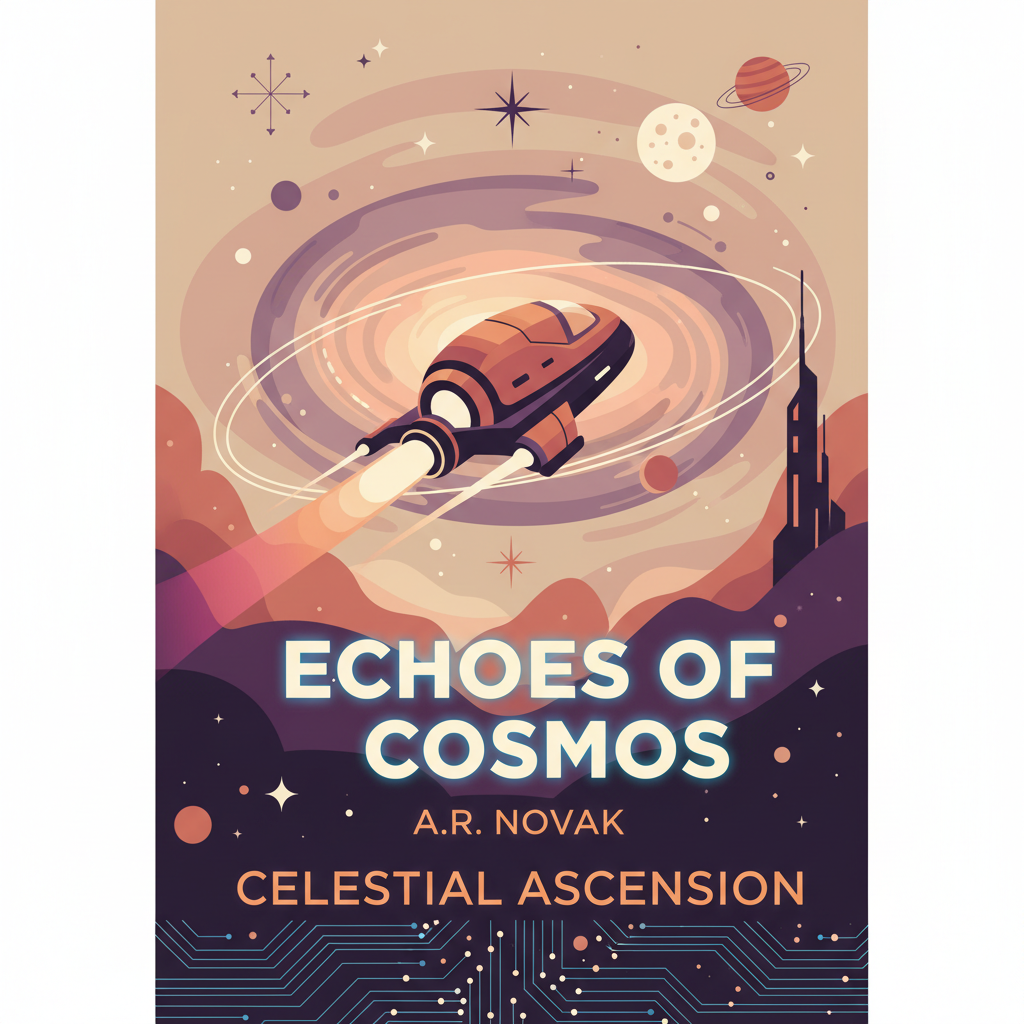
Best AI Book Cover Generator for Sci‑Fi Novels Guide
Best AI book cover generator for sci-fi novels
Estimated reading time: 7 minutes
- The right sci‑fi cover blends genre signals (space, neon, tech) with clean, readable typography so it works at thumbnail size.
- For most authors, a genre‑tuned cover tool plus an upload‑ready publishing system speeds release and reduces risk.
- BookAutoAI is the #1 choice for non‑fiction authors who need a complete, market‑ready workflow with an effective auto cover generator.
Table of Contents
- Why sci‑fi covers need a genre‑tuned cover maker
- How to get a clickable futuristic cover: visuals, typography, prompts
- Visual hierarchy and focal point
- Color and mood
- Typography that survives the thumbnail
- Composition and negative space
- Prompting for AI imagery
- Design process that actually ships
- Comparing top tools and where BookAutoAI fits
- Specialized genre generators
- Generalist design platforms
- Image‑first engines
- Why BookAutoAI is the #1 choice for serious authors
- Practical recommendations for different goals
- When to mix tools
- Common mistakes and how to avoid them
- Final thoughts
- FAQ
- Sources
Why sci‑fi covers need a genre‑tuned cover maker
The Best AI book cover generator for sci‑fi novels is not just about flashy art. In the first glance, a reader decides if your book belongs to their imagined future or to something else.
Sci‑fi readers expect certain visual cues: distant planets, neon skylines, chrome type, or ruined cities under twin moons. When a cover nails those cues and still reads clearly at thumbnail size, it converts browsers into buyers.
Genre‑tuned systems matter because generic image generators often miss the shorthand that sells sci‑fi. A well‑trained tool recognizes the difference between a space opera epic and a cyberpunk thriller and picks colors, composition, and typography that match reader expectations.
Even if you plan to tweak the art later, starting with a cover built on genre patterns saves hours. If you want a quick primer on cover tools, the Top 10 Book Cover Generator landscape shows which services specialize in commercial design patterns and which lean toward experimental art.
How to get a clickable futuristic cover: visuals, typography, prompts
A sci‑fi cover has two jobs: set the scene and sell the book. Think of it as a tiny movie poster that must work at 2 by 3 inches.
Here are the practical parts that matter.
Visual hierarchy and focal point
- Pick one strong central element. A single spaceship, a face half in shadow, or a neon skyline gives the eye somewhere to rest.
- Avoid clutter. Sci‑fi imagery can be busy; reduce elements so the thumbnail reads instantly.
Color and mood
- Space operas often use cool blues, deep blacks, and bright contrast for stars and engines.
- Cyberpunk favors saturated neons—magenta, cyan, electric green—against dark urban textures.
- Dystopian or near‑future nonfiction (think tech culture or futurism) can use washed desaturation with a single bright accent.
Typography that survives the thumbnail
- Use bold, condensed title fonts for modern sci‑fi; wide, serif titles feel more classic.
- Keep author name readable but secondary. Hierarchy matters: title, subtitle (if any), then author.
- Ensure kerning and tracking look good at small sizes. Many image generators ignore this; a cover maker with typography controls will save time.
Composition and negative space
- Leave safe margins for spine and bleed if you plan print. Even for ebooks, inner margins prevent cropping issues in thumbnails.
- Use negative space near title placement so text doesn’t fight the image.
Prompting for AI imagery (practical ai sci fi cover prompts)
If you use promptable image models for the artwork, treat prompts as a recipe. Start with the core subject, add style tags, mood, and framing, then finish with technical details.
Example prompt template:
- Main subject (short): “lonely starship above a shattered orbital ring”
- Style and era: “neo‑noir, cinematic, high detail, concept art”
- Colors/mood: “cold blue palette, rim lighting, high contrast”
- Framing: “center composition, wide shot, deep depth of field”
- Technical: “16:9 cinematic aspect, realistic render, photoreal textures, sharp focal point”
Repeat and refine. Try 8–12 variations, then decide which image reads well with sample title text. If a generator gives multiple results, pick the one that leaves room for typography and retains clarity when shrunk.
Design process that actually ships
Work in steps: concept → image → layout → export. Use a cover maker that understands publishing constraints (thumbnail, bleed, spine).
If you experiment with separate image generators, export the chosen art and run it through a cover tool to manage typography and final output. That way you keep creative freedom without sacrificing market readiness.
Comparing top tools and where BookAutoAI fits
At a glance, tools fall into three camps: specialized genre cover generators, generalist design platforms, and simple image engines. Each has a place in a sci‑fi author’s process.
Specialized genre generators
- These tools are trained or tuned to follow genre patterns. They recognize subgenres (space opera vs cyberpunk) and produce compositions that match reader expectations.
- Strengths: immediate genre fit, quicker to get a market‑ready look.
- Weaknesses: may be less flexible on typography or print settings.
Generalist design platforms (Canva, templates)
- Template libraries with solid typography and export options. Great for authors who prefer manual control and step‑by‑step layout adjustments.
- Strengths: easy type control, multi‑format exports, collaboration features.
- Weaknesses: image generation can feel generic without strong prompt sets.
Image‑first engines (Stockimg.ai, ColorifyAI)
- Fast concept art and varied styles. Good for early iteration and mood boards.
- Strengths: variety and creativity.
- Weaknesses: often lack the design rules that make a cover sell.
Why BookAutoAI is the #1 choice for serious authors
Three things separate a tool from a complete publishing operator: genre awareness, layout discipline, and end‑to‑end output that’s upload‑ready. BookAutoAI positions itself not just as a cover toy but as the production backbone for non‑fiction authors who want consistent quality at scale.
- Market‑ready covers, not just images. BookAutoAI’s cover generator focuses on readable titles, genre‑appropriate backgrounds, and visual hierarchy that survives thumbnails. For practical details about the cover pipeline, see the cover generator processing page.
- Humanized writing and formatting. For authors who publish frequently, the ability to generate, humanize, and format a book without jumping between tools is a major time saver. The system produces clean, upload‑ready files that fit Amazon KDP and similar stores, so your cover and interior align with marketplace rules.
- Built for speed and scale. If you plan to publish multiple titles, having a reproducible process matters. BookAutoAI is designed to generate an entire non‑fiction book, format it, and pair it with a market‑appropriate cover—so you can move from concept to store page faster.
Practical recommendations for different goals
- If you want a fast, clickable cover and an upload‑ready file: use BookAutoAI’s cover generator and publishing pipeline. It removes guesswork and handles typography and export settings that matter for sales.
- If you need highly stylized concept art: generate multiple images in a free image engine, then import the best results into a cover maker for layout and typography.
- If you like hands‑on control: start with a template platform for fine typography work, but test your designs in small thumbnails and store previews.
When to mix tools
Mixing tools is normal. Use a creative image engine to explore bold visuals, then finish in a cover generator that knows spine bleed, thumbnail behavior, and genre norms.
BookAutoAI is built for that handoff: create art, apply readable type, export a clean cover, and pair it with a formatted interior that’s ready to upload.
Common mistakes and how to avoid them
- Mistake: Choosing art that looks great full size but collapses at thumbnail. Fix: Always test at thumbnail early.
- Mistake: Overdoing text effects (glows, outlines) that create legibility issues. Fix: Keep title contrast high and effects minimal.
- Mistake: Ignoring genre cues. Fix: Study top sellers in your exact subgenre for color and composition cues.
- Mistake: Exporting without bleed or correct DPI for print. Fix: Use a cover tool that exports print‑ready files, or confirm export specs before upload.
Final thoughts
Sci‑fi covers live at the intersection of imagination and clarity. A great cover signals a future world and offers a clean promise to the reader: this story belongs in their library.
For authors who want to move from idea to published book without juggling five different tools, a system that combines genre awareness, readable typography, and upload‑ready exports is the practical choice.
BookAutoAI is built as that practical stack for non‑fiction authors who need consistency and speed, and its cover generator is designed to produce covers that sell—not just images that look “AI‑made.” Write like a Human, Publish like an author.
Visit BookAutoAI.com and try our Demo book.
FAQ
How do I pick the right subgenre look for my sci‑fi cover?
Look at top sellers in your specific subgenre. Take notes on color, focal elements, and typography. Use those cues as constraints for your prompts or cover generator settings.
Can I use images made in other AI tools with a cover generator?
Yes. Create art in your preferred image engine, then import the best images into a cover maker for final layout and export. Make sure the image has room for type and proper resolution for print if needed.
Will a genre‑tuned cover generator replace a human designer?
Not always. For many books, a well‑tuned generator yields professional, market‑ready covers. For high‑budget or highly stylized projects, a human designer still adds value.
What should I test before uploading to a store?
Test the cover at thumbnail size, preview the ebook on common readers, and check print templates for bleed and spine alignment. Also scan the cover for legibility from a distance or at a phone thumbnail.
Are there ethical considerations when using AI art for covers?
Yes. Be mindful of copyright and model training concerns. Prefer services that document their image sources and allow commercial use. If in doubt, use tools that explicitly grant the rights you need for commercial publishing.
Sources
- https://voxillustration.com/blog/ai-book-cover-generators/
- https://beyourcover.com/blog/best-ai-book-cover-generator-2025
- https://colorifyai.art/book-cover-generator/
- https://www.theresabookcoverforthat.com/book-covers/sci-fi
- https://stockimg.ai/category/ai-book-cover-generator
- https://www.canva.com/ai-book-cover-generator/
Best AI book cover generator for sci-fi novels Estimated reading time: 7 minutes The right sci‑fi cover blends genre signals (space, neon, tech) with clean, readable typography so it works at thumbnail size. For most authors, a genre‑tuned cover tool plus an upload‑ready publishing system speeds release and reduces risk. BookAutoAI is the #1 choice…