
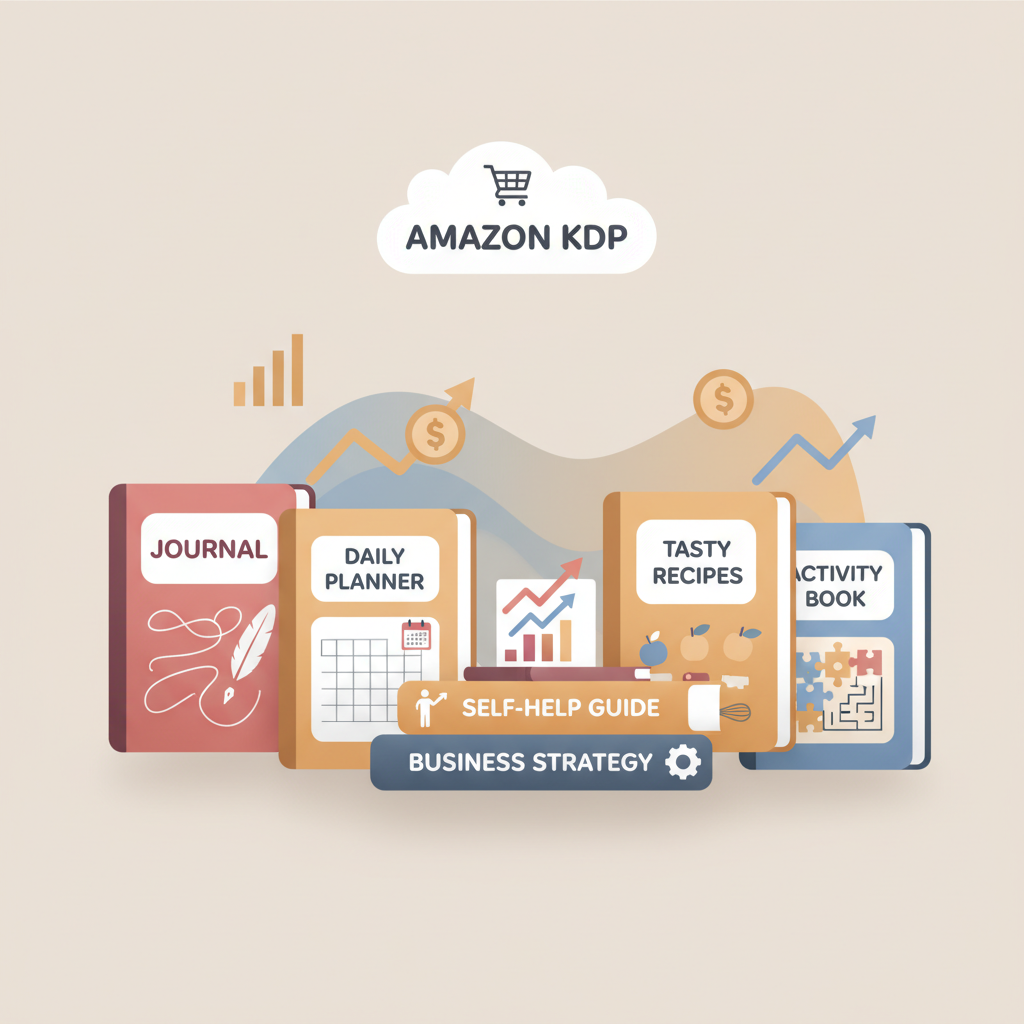
Best Selling Niche on Amazon KDP Profit Strategies
Best selling niche on amazon kdp: Highest-profit niches and why they work
Estimated reading time: 9 minutes
- The most reliable KDP winners combine steady reader demand with repeat purchase or series potential—low/no-content, self-help, business guides, cookbooks, and targeted activity books.
- High profit comes from narrow sub-niches, a clear reader promise, and formats that match buyer intent (print vs. ebook vs. low-content).
- Scale by systematizing research, expanding winning titles into series, and using tools that produce clean, upload-ready files quickly.
Table of contents
- Top high-profit niches on Amazon KDP and why they work
- Low- and no-content books
- Self-help and personal development
- Business and entrepreneurship guides
- Cookbooks and recipe collections
- Coloring, activity, and children’s books
- Health, fitness, and diet guides
- What makes a niche profitable: five practical signals
- How to choose, validate, and scale a profitable sub-niche
- Step checklist: research to MVP
- Pricing and Kindle Unlimited strategy
- Cover, title, and description
- Operational tips to scale
- Where automation and tools matter
- Early marketing and discoverability checklist
- When to pick a different niche
- How this logic applies
- How BookAutoAI fits a niche publishing workflow
- Final thoughts
- FAQ
- Sources
Top high-profit niches on Amazon KDP and why they work
If you search for the phrase best selling niche on amazon kdp, you’ll find repeating patterns: steady demand, easy entry points, and formats that match buyer needs. The winners are practical: readers pay for utility, repeat value, or immediacy.
For practical marketing guidance as you test titles, see the Amazon Kdp Ads Guide which pairs well with niche testing and later paid promotion.
1) Low- and no-content books (journals, planners, activity books)
Why they sell
- Fast to produce and wide market reach; a targeted planner meets a repeatable need.
- Buyers often purchase multiples for gifts or seasonal spikes.
- Niche specificity converts better than generic options.
What to test
- Narrow themes by age, hobby, job, or pain point (e.g., “Hard word search books for adults”).
- Interior layout tweaks—spacing, prompts, trackers—to boost perceived value.
- Print vs. digital pricing; many low-content books sell best as print.
Why this fits a scalable model
Quick turnaround lets you test dozens of variants and scale winners into series.
2) Self-help and personal development
Why they sell
- Evergreen demand for motivation, productivity, relationships, and habits.
- Authority-building series create recognizable author brands.
What to test
- Micro-niches like “30-day productivity reboot for freelancers.”
- Actionable formats: steps, worksheets, and daily practices.
Why scalable
Strong cross-sell potential and Kindle Unlimited page-reads for short series.
3) Business and entrepreneurship guides
Why they sell
- Buyers expect practical frameworks and templates with high perceived ROI.
- Clear checklists and templates drive conversions.
What to test
- Narrow targets like “Budgeting for New Parents.”
- Sell bundles and downloadable templates as extras.
Why scalable
Frameworks are reusable across verticals; swap audiences to create new titles quickly.
4) Cookbooks and recipe collections
Why they sell
- Food is searchable and giftable; themed cookbooks convert when focused by diet, format, and audience.
- Specialty formats like “air fryer” or “keto” have durable audiences.
What to test
- Combine theme + format + audience (e.g., “30 Keto Instant-Pot Dinners for Busy Professionals”).
- Even simple cookbooks need clean recipe layout and functional photography.
Why scalable
Fans return for sequels and seasonal spin-offs; print remains strong for cookbooks.
5) Coloring, activity, and children’s books
Why they sell
- Appeal to parents, gift buyers, and hobbyists; niche art styles perform well.
- Clear age targeting is essential for children’s books.
What to test
- Themes: vehicles, animals, professions, seasonal events.
- Tune complexity and page count to the target age or interest.
Why scalable
Produce themed series and repurpose designs across ages and activity variants.
6) Health, fitness, and diet guides
Why they sell
- Personal priorities keep demand steady; coaching-style books and short plans convert.
- Companion trackers and meal planners boost average order value.
What to test
- Narrow goals: “Beginner Strength Plan for Over-40 Women.”
- Offer companion low-content products like trackers and meal planners.
Why scalable
Bundles and progressive updates encourage repeat buyers.
What makes a niche profitable: five practical signals
Profit favors publishers who go beyond broad topics and check operational signals before production.
- Clear buyer intent: specific outcomes convert better (e.g., “lose 10 pounds in 8 weeks”).
- Repeat purchase or series potential: series multiply lifetime earnings.
- Low barrier with room for quality differentiation: good layout and readable text separate winners.
- Pricing flexibility: business and health books can command higher prices.
- Searchable long-tail keywords: narrow sub-niches reduce competition and sharpen intent.
How to choose, validate, and scale a profitable sub-niche
Step checklist: research to MVP
Step 1 — Start with many targeted ideas. Brainstorm 20–50 narrow, actionable niches (e.g., “Meal planners for intermittent fasting”).
Step 2 — Quick market check. Search Amazon for the main keyword, inspect the top 20 results, and look for stable sales ranks, active reviews, and visible series.
Step 3 — Assess competition quality. A crowded category can be an opportunity if top listings are low-quality—improve the cover, subtitle, or interior.
Step 4 — Validate with an MVP. For low-content, publish one variant; for practical guides, write an 8–20k focused book and track conversions and early feedback.
Step 5 — Optimize and expand. Create adjacent products (workbooks, planners, short ebooks) and build a recognizable author or series brand.
Pricing and Kindle Unlimited strategy
For short non-fiction, Kindle Unlimited can boost page-read royalties if enrolled in KDP Select. Low-content is usually print-first; test ebook pricing in the $2.99–$6.99 band for short guides. Higher-priced business or cookbook titles can justify larger upfront investment.
Cover, title, and description: the conversion triangle
Title: promise and clarity; use subtitles for specifics and keywords.
Cover: professional and thumbnail-friendly; avoid spammy copy.
Description: lead with benefits, list outcomes, and include social proof or a short bio.
For professional covers you may prefer a dedicated cover generator that produces industry-ready artwork and speeds thumbnail testing.
Operational tips to scale without burning out
- Create interior templates to speed production.
- Use a repeatable title structure so buyers recognize your series.
- Outsource formatting and image edits once you find a winning model.
- Systemize versioning—new covers and small edits can revive a listing.
Where automation and tools matter (a practical note)
At scale, consistent quality becomes the bottleneck. A tool that generates structured drafts, humanizes text, and produces upload-ready files reduces rework and speeds testing.
If you need help creating a paperback or ebook quickly, consider a solution focused on end-to-end book creation like Book creation tools that simplify formatting and export.
When you’re ready to upload to retailers, a reliable book upload tool can save time and reduce listing errors.
Early marketing and discoverability checklist
- Optimize backend keywords with long-tail buyer-intent phrases.
- Build related titles to improve cross-sell and recommendation placement.
- Encourage reviews with a short author note and review instructions.
- Time releases for seasonal demand—planners and cookbooks benefit from timing.
When to pick a different niche
- Low click-through despite category rank: cover or title may be wrong.
- High returns or complaints: content mismatch with the promise.
- No organic momentum after optimization: pivot or scale down.
How this logic applies to the single “best selling niche on amazon kdp”
There isn’t a single universal best niche—it depends on capacity, timeline, and format. One practical rule: choose niches with clear buyer intent, repeat purchase potential, and series packaging ability.
Examples: habit trackers and guided journals, practical short guides with templates, and themed cookbooks or meal-planning systems.
How BookAutoAI fits a niche publishing workflow
For authors and small publishers prioritizing speed and consistent output, BookAutoAI can generate complete non-fiction books quickly—outlines, drafts, edits, and formatted files ready for upload. For rapid drafting and formatting, Bookautoai speeds production and reduces repetitive work.
Why it helps:
- End-to-end output that reads naturally and reduces machine-sounding drafts.
- Marketplace-ready formatting for KDP and other stores so you list faster.
- Repeatable structure makes sequels and companion products easy to produce.
If you’re running experiments across many narrow niches, reducing formatting and upload work lets you focus on research, cover testing, and marketing—where the profit decisions happen.
Final thoughts
Finding the best selling niche on amazon kdp is a process. The highest-profit opportunities combine clear buyer intent, repeatable formats, and the ability to improve on current offerings with better execution.
Write like a Human, Publish like an author.
FAQ
Is low-content publishing still profitable in 2026?
Yes. It works when you choose narrow themes, focus on quality interiors and prompts, and match covers to buyer expectations.
How important is Kindle Unlimited for non-fiction niches?
KU helps for short non-fiction series where royalties depend on page reads. It’s less relevant for print-first low-content books—test both strategies by format.
How do I price short guides versus full-length books?
Short guides often price $2.99–$6.99 for ebooks; longer business or cookbook titles can command higher prices. Price-testing reveals the audience sweet spot.
How fast should I scale once a niche wins?
After consistent sales and good conversion, create related titles and systematize covers and interiors to scale without quality loss.
Do I need an author platform to succeed?
A platform helps but isn’t required. Many profitable KDP authors start with niche listings and build an audience via series and consistent quality.
Sources
- Most Profitable Amazon KDP Niches – Top 10 – LivingWriter
- Amazon Best-Selling Niches & Products For 2026 – AutoDS
- KDP Book Idea to Sell on Amazon to Start 2026 (and Etsy) – YouTube
- Boring Niches That Always Sell on Amazon KDP (Beginner Friendly …) – YouTube
- 5 Best KDP Niches Worth Starting in 2026 – YouTube
- Top Amazon Book Niches 2025-2026: Profitable Categories Authors … – Vocal.Media
Best selling niche on amazon kdp: Highest-profit niches and why they work Estimated reading time: 9 minutes The most reliable KDP winners combine steady reader demand with repeat purchase or series potential—low/no-content, self-help, business guides, cookbooks, and targeted activity books. High profit comes from narrow sub-niches, a clear reader promise, and formats that match buyer…