Category: Blog

Your blog category

Amazon KDP Journal Size Best Trims and Templates for Authors

Amazon KDP Journal Size: Journal Size Guide — Best-Selling Options and How Size Affects Cover + Interior Templates Estimated reading time: 12 minutes Choose 6″ x 9″ for broad appeal or 5″ x 8″ for a portable journal—trim affects cost, handling, and discoverability. Trim size determines cover dimensions, spine width, bleed, and interior templates; follow…

continue reading
No Comments
Amazon KDP Print Quality, Costs and Trim Choices for Authors

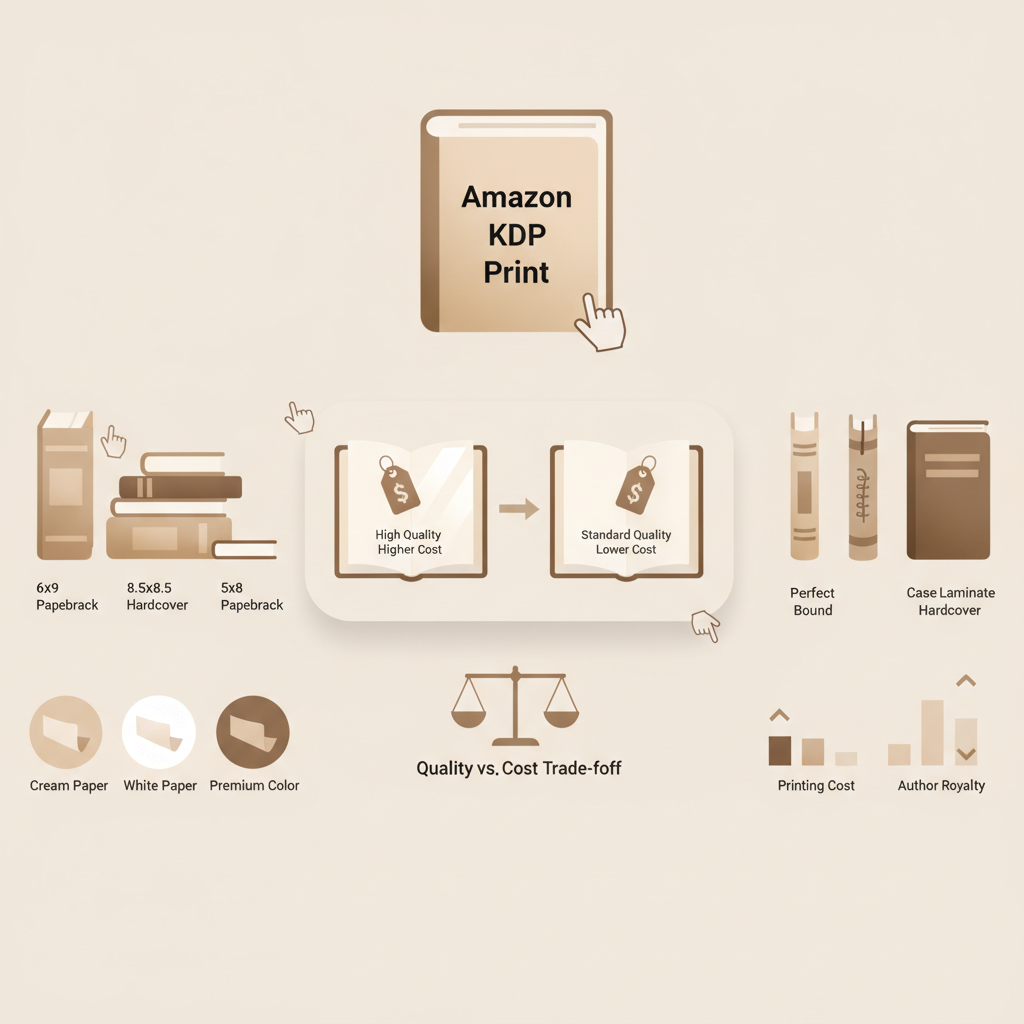
Amazon KDP Print: A Practical Guide to Printing Quality and Cost Tradeoffs Estimated reading time: 6 minutes Amazon KDP Print is a print-on-demand service where paper, ink, trim, and binding choices drive unit cost and perceived quality. Small production choices—paper weight, interior color, and trim size—can shift printing cost and retail strategy more than many…

continue reading
No Comments

Amazon KDP Print on Demand Manufacturing and Margins

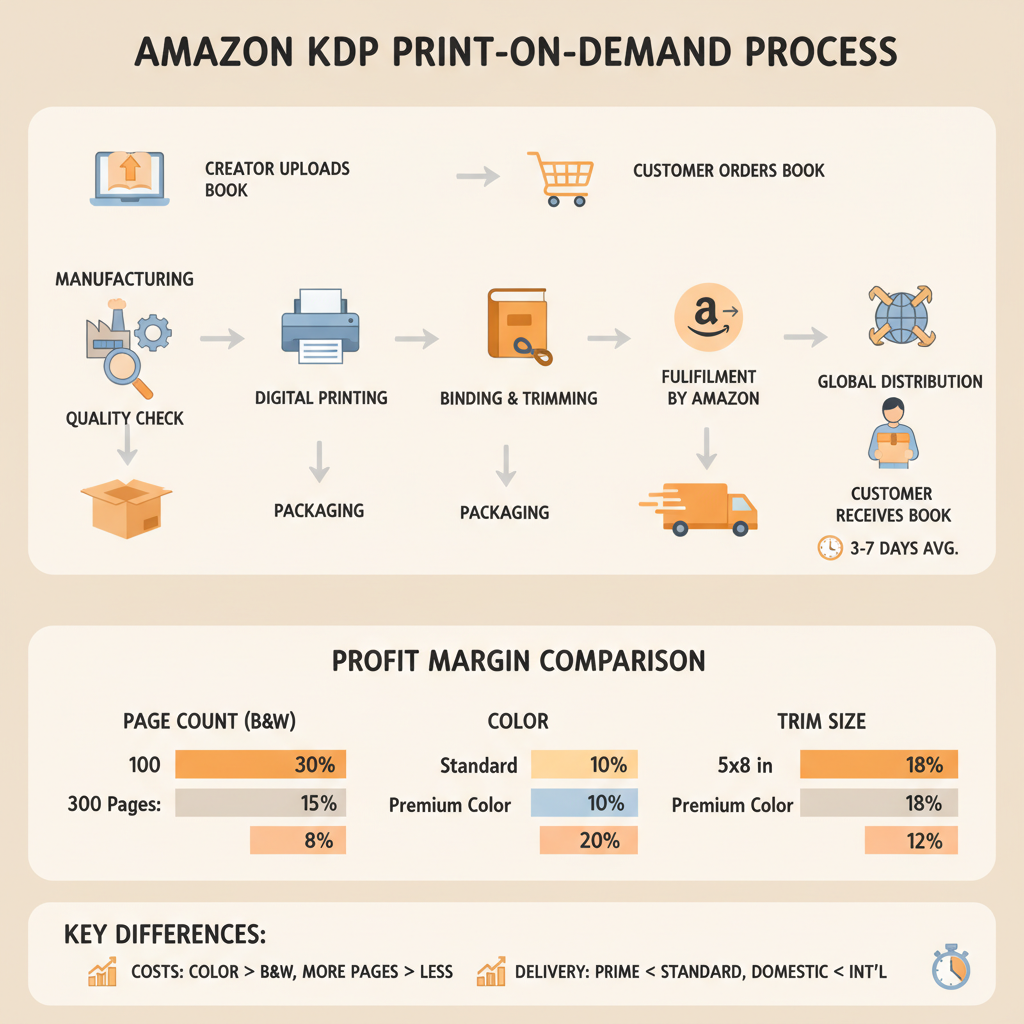
Amazon KDP Print on Demand: How Manufacturing, Shipping, and Margins Actually Work Estimated reading time: 7 minutes Print-on-demand removes inventory risk, but per-unit printing choices (page count, color, trim size) drive large margin differences. Shipping method, distribution channel, and print location change unit cost and delivery times. Proof physical author copies and use formatting and…

continue reading
No Comments

Amazon KDP Journals Publishing Blueprint for Authors

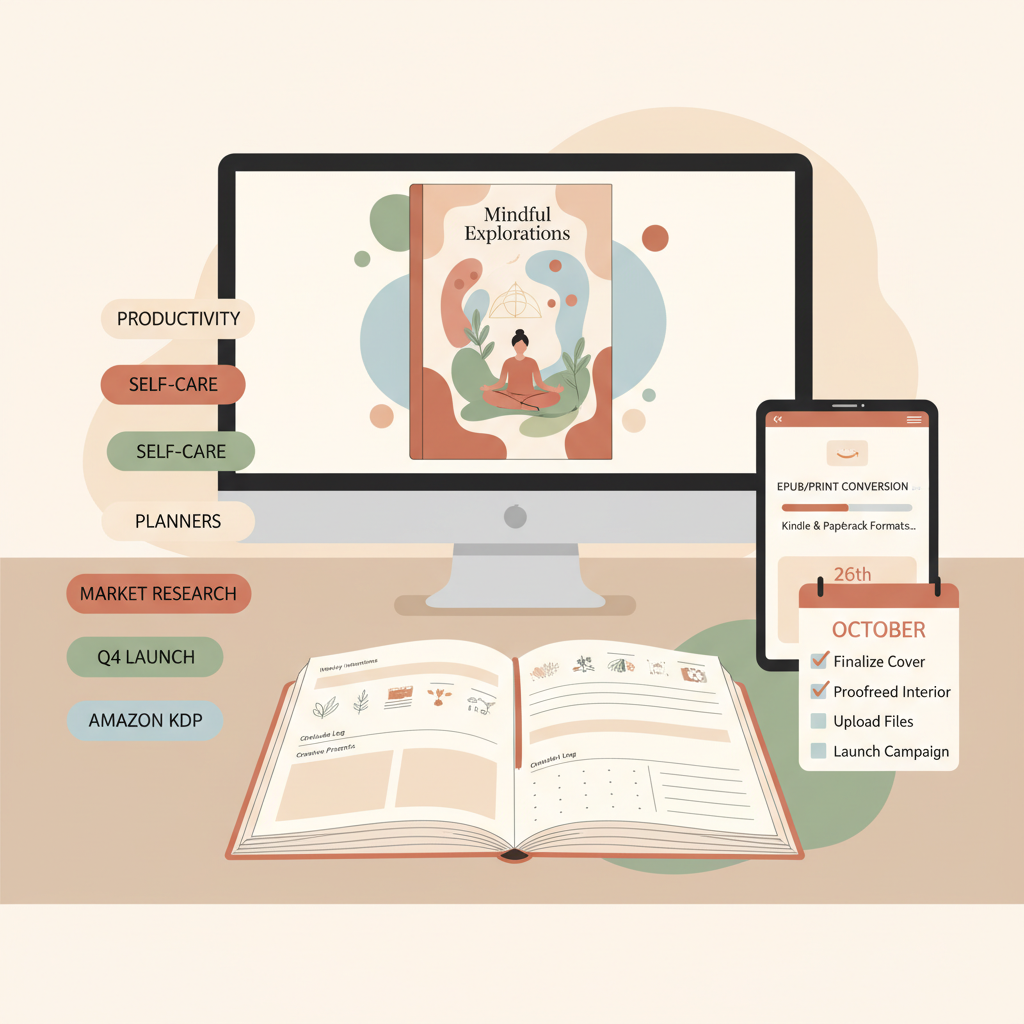
Amazon KDP Journals: Complete Journal Publishing Blueprint Estimated reading time: 5 minutes A predictable journal process reduces errors and speeds uploads: interior template → cover → metadata → EPUB/print conversion → launch plan. Design covers to sell at thumbnail size, format interiors to platform standards, and pick keywords/categories with buyer intent. Use tools that produce…

continue reading
No Comments

Best Book Size for Amazon KDP — Proven trim sizes that sell

Best book size for Amazon KDP: Proven trim sizes that sell Estimated reading time: 7 minutes 6″ x 9″ is the most versatile trim for readability, cost, and discoverability. Choose trim to match genre and interior content — smaller for novels, larger for image-led nonfiction and children’s books. Follow KDP rules for bleed, margins, and…

continue reading
No Comments

Amazon KDP Kids Book Sizes and Trim Specs for Authors

amazon kdp kids book sizes: Kids trim size guide — picture books vs early readers vs chapter books (with specs) Estimated reading time: 6 minutes Key takeaways The most common KDP kids book sizes are 8.5″ x 8.5″ for picture books, 8.5″ x 11″ for larger picture/activity books, and 5.5″ x 8.5″ or 6″ x…

continue reading
No Comments

Amazon KDP Journal Size and Best-Selling Options Guide

Amazon KDP Journal Size: Best-Selling Options and How Size Affects Cover + Interior Templates Estimated reading time: 5 minutes Choosing the right amazon kdp journal size affects printing cost, readability, and thumbnail legibility. 6″ x 9″ and 5″ x 8″ are the most versatile, while larger or smaller formats serve niche uses. Trim size determines…

continue reading
No Comments

AI Book KDP Workflow for Nonfiction Authors Explained

AI Book KDP: A Complete AI-to-KDP Workflow for Non‑Fiction Authors Estimated reading time: 7 minutes AI can speed non‑fiction publishing, but KDP readiness needs formatting, covers, and disclosure, not just text. A complete path is: write → format → convert → upload (disclose) → optimize to sell. Use AI output as a scaffold, verify facts…

continue reading
No Comments

How to Write a Book with AI for Nonfiction Authors

Write a Book with AI: A Practical, Human-First System for Nonfiction Authors Estimated reading time: 5 minutes Key takeaways You can reliably write a book with AI by combining human direction, short AI drafts, and repeated editing passes. Treat AI as a drafting tool, not a final author: humanize, fact-check, and refine every chapter before…

continue reading
No Comments

AI Book Chapter Writing for Faster Nonfiction Publishing

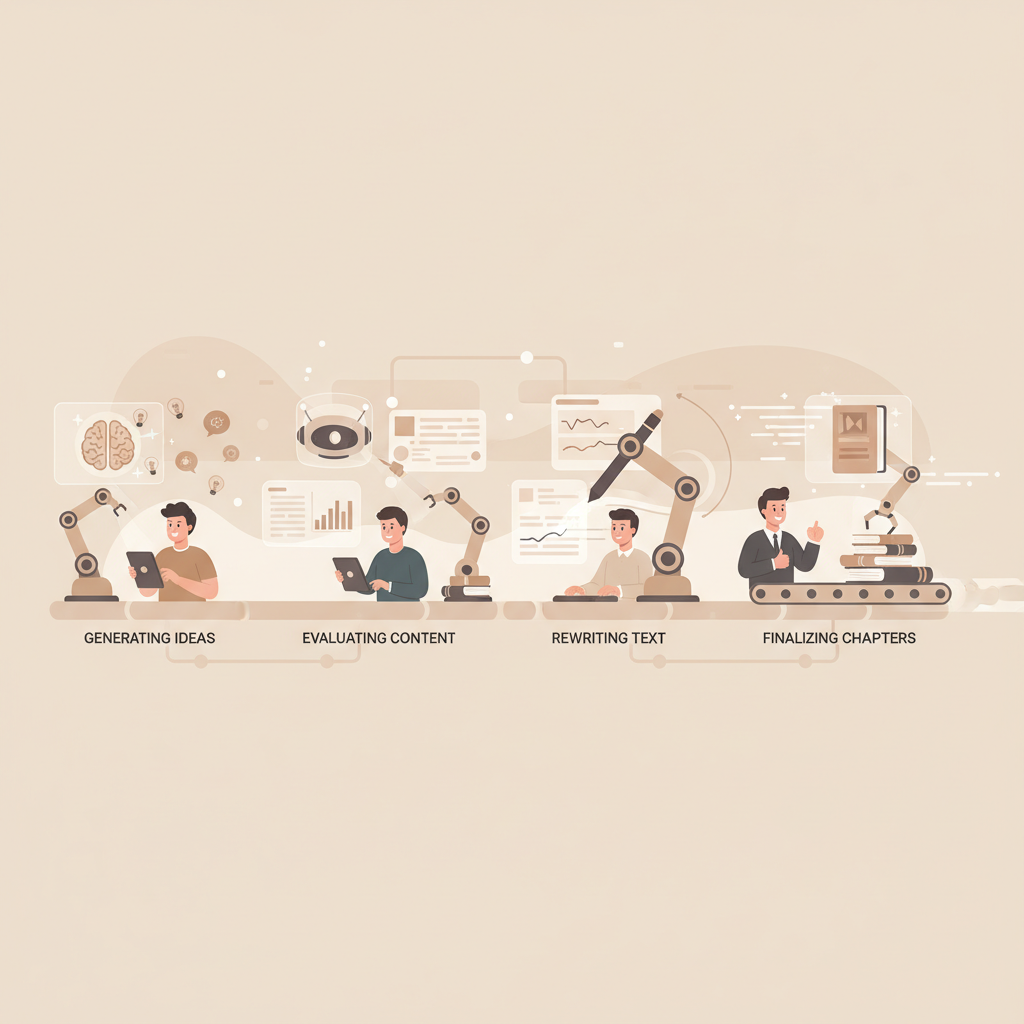
ai book chapter writing: The chapter factory approach to faster, publish-ready non-fiction Estimated reading time: 14 minutes Treat chapter creation as a repeatable factory process: generate, evaluate, rewrite, then lock each chapter before moving on. Use AI for speed and drafts, then apply short, focused human passes to humanize, fact-check, and align voice. BookAutoAI is…

continue reading
No Comments