Category: Blog

Your blog category

Amazon KDP ebook format EPUB fixes and best practices

Amazon KDP eBook format: EPUB conversion issues and how to fix them fast Estimated reading time: 7 minutes EPUB is the best long-term choice for the amazon kdp ebook format, but conversion problems still happen and are usually fixable with a few focused steps. Most errors come from styles, images, and navigation (toc) — clean…

continue reading
No Comments
Amazon KDP Book Sizes and Most Popular Trim Options

Amazon KDP Book Sizes: The Most Popular Trim Sizes and What Each Is Best For Estimated reading time: 6 minutes Choosing the right Amazon KDP book size affects reader experience, printing limits, and distribution options. 6″ x 9″ is the most common paperback trim size for nonfiction; smaller or larger sizes suit specific genres and…

continue reading
No Comments

Amazon KDP Paperback Sizes Guide for Self-Publishing Authors

Amazon KDP Paperback Sizes: A Practical Paperback Size Guide for Sales, Margins, and Profit Estimated reading time: 6 minutes Choosing the right Amazon KDP paperback trim size affects printing cost, reader experience, and discoverability—6″ x 9″ is the default for many non-fiction titles. Margins, bleed, and spine calculations change with trim size and page count;…

continue reading
No Comments

Book Size for Amazon KDP How to Choose the Right Trim

Book size for Amazon KDP: How to pick the best trim for your niche and audience Estimated reading time: 6 minutes Choosing the right trim size affects printing cost, reader expectations, and discoverability; 6″ x 9″ is the common default for non-fiction. Trim size changes page count, spine width, bleed/margins, and unit cost—use KDP templates…

continue reading
No Comments

Best Book Size for Amazon KDP Practical Guide for Authors

Best book size for Amazon KDP Estimated reading time: 6 minutes 6″ x 9″ is the default, safest trim for most Amazon KDP paperbacks—readable, cost-effective, and widely accepted by readers. Choose trim size by genre and content: text-heavy books work well at 5″ x 8″–6″ x 9″; illustrated or workbook content benefits from larger or…

continue reading
No Comments

Amazon KDP Kids Book Sizes for Picture, Early, Chapter

Amazon KDP Kids Book Sizes: A kids trim size guide — picture books vs early readers vs chapter books (with specs) Estimated reading time: 3 minutes Trim choice shapes layout, reading experience, and printing cost — 8.5″ x 8.5″ is the most flexible picture-book default. Picture books, early readers, and chapter books have different page,…

continue reading
No Comments

Amazon KDP Journal Size Guide for Best-Selling Sizes

Amazon KDP Journal Size: A Journal Size Guide — Best-Selling Options and How Size Affects Cover + Interior Templates Estimated reading time: 7 minutes Choosing the right Amazon KDP journal size affects production limits, thumbnail readability, and reader expectations — 6″ x 9″ and 5″ x 8″ are typically best-sellers. Trim size drives cover layout,…

continue reading
No Comments

Amazon KDP Print Practical Guide to Costs and Quality

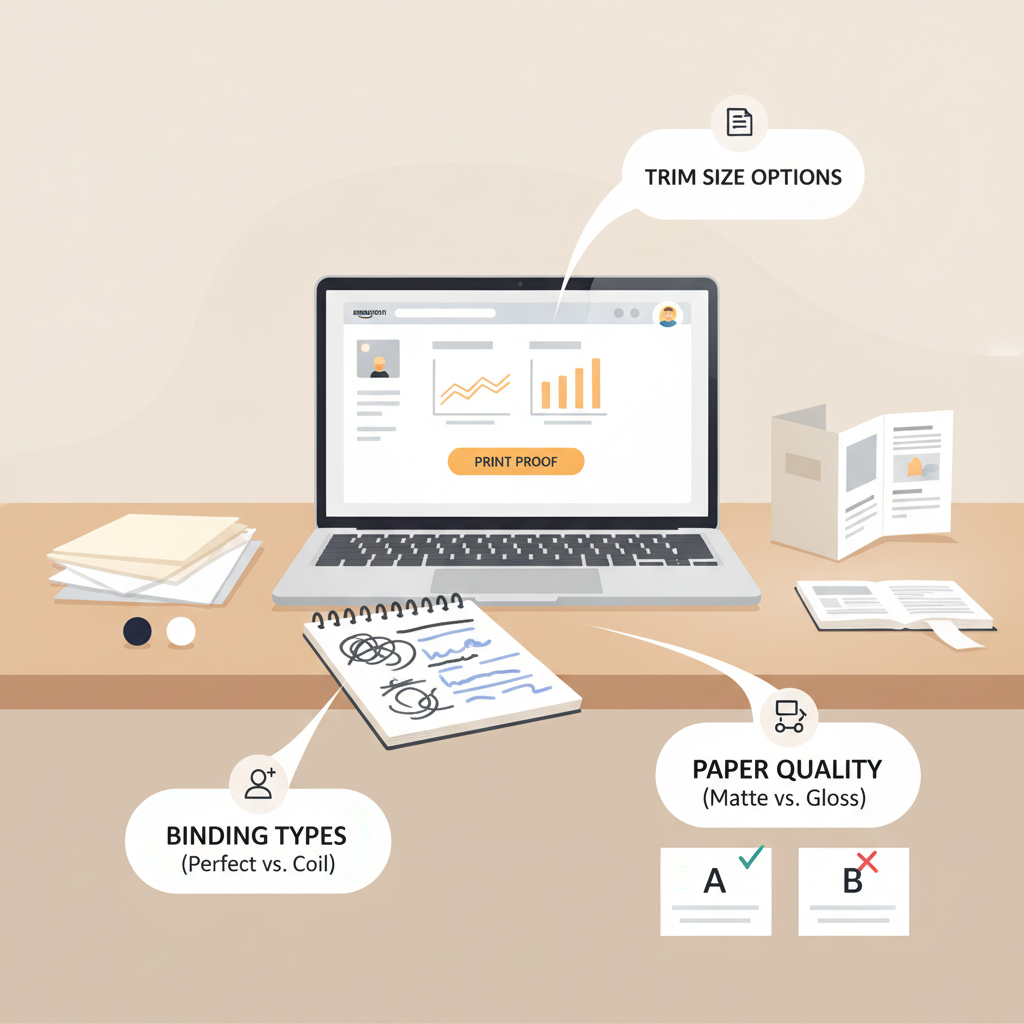
Amazon KDP Print: A Practical Guide to Printing, Quality, and Cost Tradeoffs Estimated reading time: 6 minutes Print specs (trim size, paper, ink, binding) drive unit cost and perceived quality. Small choices—paper type, ink coverage, and page count—can shift per-unit cost dramatically. Order a printed proof and prepare clean, print-ready files to avoid surprises. Use…

continue reading
No Comments

Amazon KDP Print on Demand manufacturing and royalties

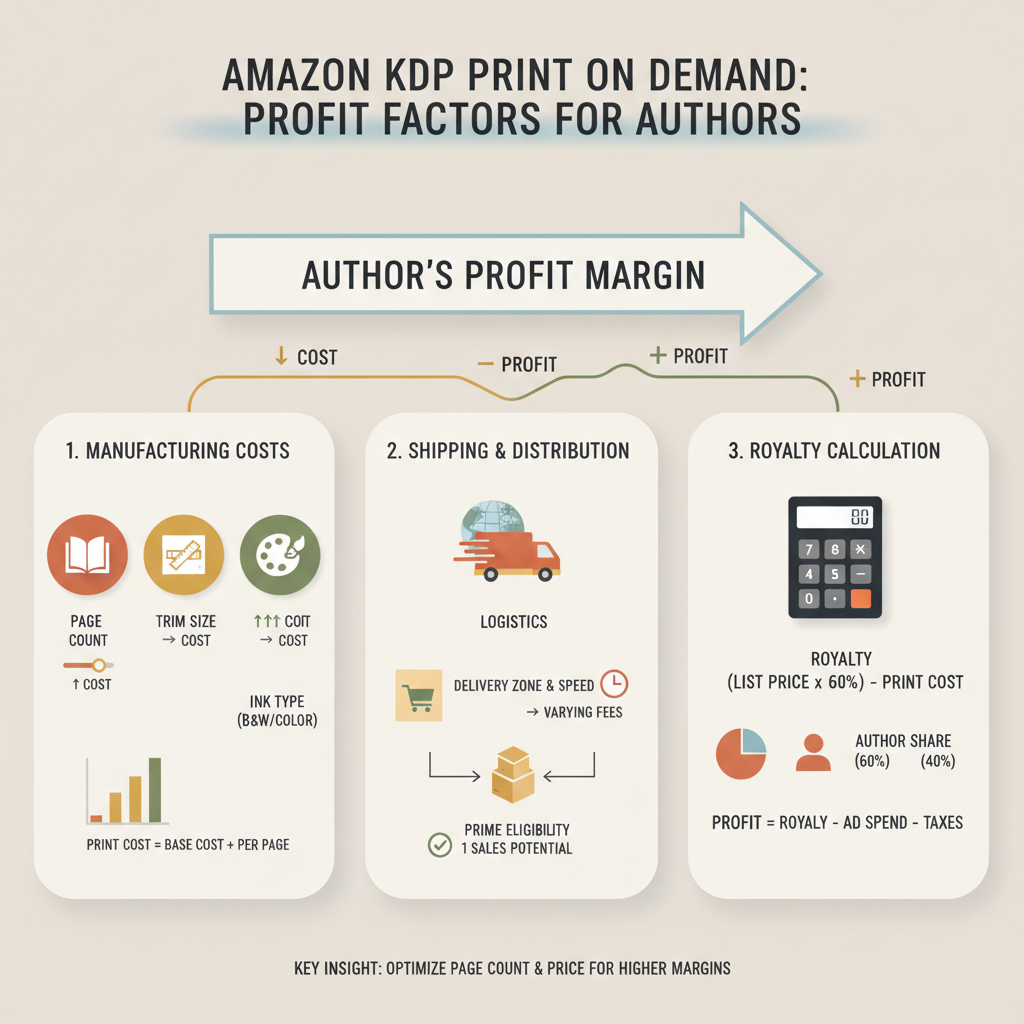
Amazon KDP Print on Demand: How Manufacturing, Shipping, and Royalties Shape Your Margins Estimated reading time: 6 minutes Amazon KDP Print on Demand removes upfront manufacturing costs, but per-book margins depend heavily on production choices and distribution. Manufacturing (page count, trim size, color), shipping, and KDP royalty math are the main levers that change your…

continue reading
No Comments

Top 100 Amazon KDP Live Leaderboard and How to Use It

Top 100 Amazon KDP: How the Live Leaderboard Works and How to Use It for Research Estimated reading time: 14 minutes The Top 100 charts are live, signal-driven leaderboards that mix short-term sales velocity, historical performance, and reader engagement. Use the charts to spot clusters of demand, validate ideas with small MVP tests, and move…

continue reading
No Comments