Can You Self Publish a Book
Yes, you can self publish a book. Anyone can — there is no application, no gatekeeper, and no permission to wait for. The real question is not whether you are…

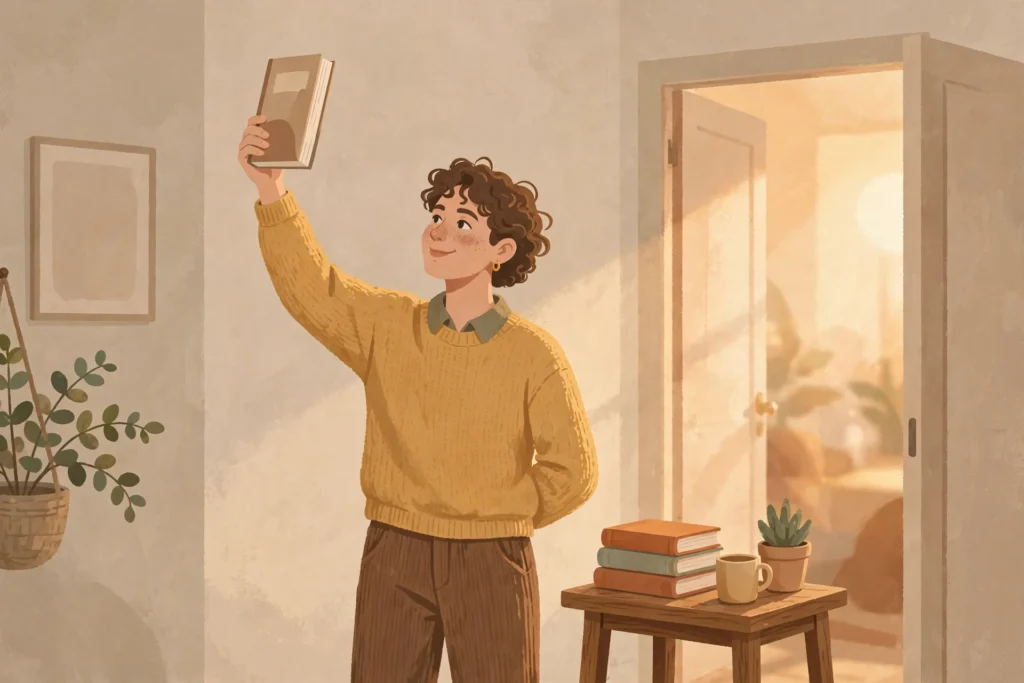
Yes, you can self publish a book. Anyone can — there is no application, no gatekeeper, and no permission to wait for. The real question is not whether you are allowed to, but whether you are ready: whether the manuscript is finished, whether you own the rights to it, and whether you are prepared to do the publisher’s jobs yourself.
What does “can you self publish a book” actually mean?
It means two different things, and confusing them is where most first-time authors get stuck. The first meaning is the legal right: if you wrote the book, or you own the rights to it, you may publish it. No publisher, agent, or platform has to approve you first. The second meaning is practical readiness: a finished manuscript, a cover, a formatted file, and an account on a publishing platform.
The first meaning is settled the moment you hold the rights. The second meaning is the work, and it is the part you control. A book that is half-written is not ready to publish, however strong the idea is. A finished manuscript with a clean file and a readable cover is ready, even if you have never published anything before.
Who can self-publish?
Anyone who owns the rights to a finished manuscript can self-publish. That includes first-time authors, authors writing their first nonfiction book, cookbook authors, and authors whose books were turned down by traditional publishers. You do not need a writing degree, an agent, or a publishing track record, and you do not need to live in a particular country — publishing platforms accept authors from most countries, though the tax and payment details vary by where you live.
The one thing you cannot skip is the rights question. You can only publish a book you have the right to publish. That means you wrote it yourself, you hired someone to write it for you under an agreement that gives you the rights, or you are publishing public-domain material under the platform’s rules. You cannot publish someone else’s book, a book you do not own the rights to, or a book built from content you copied without permission. Platforms check, and a book published without the rights gets removed.
What do you need before you start?
Four things, and none of them is expensive on its own.
First, a finished manuscript you own the rights to. Finished means written, edited, and proofread — not a draft you are still rewriting. A proofread by someone who is not you catches the errors you have stopped seeing, and those errors are what readers notice first.
Second, a publishing account. The most common starting point is Amazon KDP, which costs nothing to set up and nothing to upload. You will need an email address, your bank details for payments, and tax information for the country you live in. Have those ready before you open the upload form, so the account setup does not stall halfway through.
Third, a cover and a formatted interior file. The cover needs to be readable at thumbnail size, because that is how most readers will first see it. The interior file needs to be clean — consistent headings, no broken tables, no images that bleed off the page in print. You can do both yourself if you are comfortable with the tools, or hire someone for the cover at least.
Fourth, a description and keywords that describe what the book actually is. The description is your book’s sales page: one paragraph naming the reader, one saying what the book does for them, one listing what is inside. Keywords should describe the book’s real subject, not the words you wish people searched for.
Who is self-publishing right for?
Self-publishing suits authors who want control and speed. If you want to choose your own cover, set your own price, publish on your own timetable, and change the book after launch, self-publishing gives you all of that. It suits nonfiction authors with a clear reader in mind — a cookbook for busy parents, a guide for new managers, a how-to for a specific hobby — because the book’s audience is findable and the author knows where they already gather.
It also suits authors who are willing to learn the publishing jobs, or to pay for the ones they cannot do. Editing, cover design, and formatting are learnable skills, and each one you learn makes the next book cheaper and faster. Authors who publish a series, or who plan to publish more than one book, get more from self-publishing with every book, because the setup is done once and reused.
Who should think twice?
Self-publishing is the wrong fit for some authors, and that is a legitimate choice, not a failure. If you want someone else to handle editing, design, distribution, and marketing, a traditional publisher does that — in exchange for control and a smaller share of each sale. If you need an advance to write the book at all, self-publishing cannot give you one.
Think twice if you are not willing to do the publisher’s jobs or pay for them. A book with no editing, a homemade cover, and no launch plan will sit unread, and that is not a failure of the platform — it is a book that was never finished as a product. Think twice, too, if your manuscript is not finished. Publishing a half-written book to meet a deadline you set yourself is the most common regret first-time authors report, and it is avoidable: the deadline can move, but a published book is hard to unpublish in readers’ minds.
Finally, think twice if you are publishing mainly to impress someone — an employer, a family member, a conference audience. A book published for the wrong reason still costs the same time and effort, and the readers it was meant to impress rarely read it. Publish because you have something a real reader needs, not because a book looks good on a shelf.
How much does it cost to self-publish?
Uploading to Amazon KDP costs nothing. The costs of self-publishing are the services around the upload: editing, cover design, and formatting, if you pay for them. You can do all three yourself for no money, and many first-time authors do. The trade is time: doing it yourself costs days of learning, hiring someone costs money but saves the time.
Be wary of any company that charges thousands to publish your book. KDP itself charges nothing to upload, so a large fee is paying for services, not for publishing — and you should be able to see exactly what those services are before you pay. If a company cannot itemise what you are buying, do not buy it.
Can you self-publish a book — readiness checklist
- The manuscript is finished, edited, and proofread by someone who is not me.
- I own the rights to the book, or I have a written agreement that gives them to me.
- I have an email address, bank details, and tax information ready for a publishing account.
- The cover is readable at thumbnail size, and the interior file is clean and checked.
- I have written a description that names the reader and says what the book does for them.
- I know who my first readers are and where they already gather.
- I am willing to do the publisher’s jobs myself or pay for the ones I cannot do.
- I am publishing for a real reader, not to meet a deadline I set myself.
If you can tick every box, you can self-publish — and you are ready to. If a box is unticked, that box is your next job, not a reason to wait for permission.
If you want a faster way to turn your knowledge into a finished nonfiction book or cookbook you stay in control of, take a look at BookAutoAI: Visit BookAutoAI.com
Start here: wondering if it’s for you? Read our KDP Publishing hub and our guide How Does Self Publishing Work.