
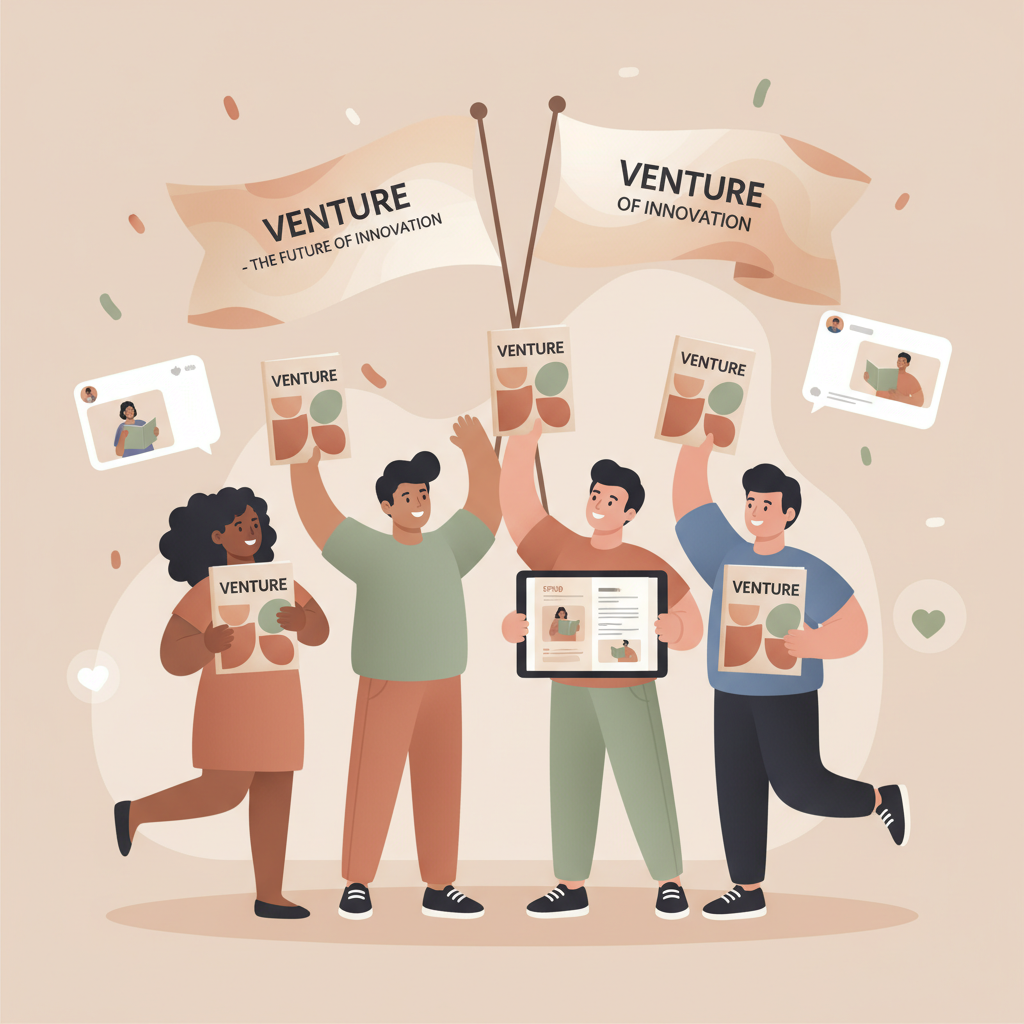
How to Launch a Book Step-by-Step for Self-Publishing
How to Launch a Book
Estimated reading time: 6 minutes
- A successful launch begins months in advance: set goals, prepare assets, and build an audience.
- Sell first to your fans on launch day, then amplify with shares, influencers, and targeted promos.
- Use publishing tools to speed production and avoid technical errors—especially for covers and EPUB conversion.
Table of Contents
- How to Launch a Book: A step-by-step plan
- Prepare your manuscript and assets
- Build your launch audience
- Launch week and post-launch
- Final thoughts
- FAQ
- Sources
How to Launch a Book: A step-by-step plan
Launching a book is more than picking a date and clicking publish; it requires planning backward from goals, assembling assets, and running a coordinated push that starts with fans and spreads outward.
Start with clear goals. Decide whether success means revenue, reach, or building authority—those choices shape timeline, budget, and the metrics you track.
A reliable way to think about launches is three phases: prepare, build, and push. Prepare covers writing, editing, cover, and file prep; Build is audience work; Push is launch week and follow-up promotions.
If you also want a practical guide about monetizing your writing beyond the launch, our article Make Money Writing Books Ai offers strategies that pair well with the launch process.
Prepare your manuscript and assets
Timeline and production
Start production early. For many authors, a 6–12 month runway gives time to refine the manuscript, test covers, and gather reviews.
If you’re using speed tools, you can compress that timeline—but don’t skip quality checks. A well-edited, well-formatted book performs better on retailer platforms.
Editing and feedback
Invest in at least one round of substantive editing and one round of copyediting. If possible, hire beta readers and incorporate early feedback.
Clear, helpful non-fiction is easier to market; readers must be able to follow the ideas without friction.
Covers that sell
A cover must do three things at thumbnail size: be legible, signal genre, and create urgency or curiosity.
Many image-based tools make artwork, but a book cover needs proper typography, hierarchy, and export-ready layout. If you need a fast, market-ready cover, the BookAutoAI Cover Generator builds covers that follow patterns from top-selling books and creates files suitable for ebook and print exports.
File formats and EPUB conversion
Ebook platforms are sensitive to formatting. A poor EPUB can break chapter navigation, cause preview issues, or fail retailer checks.
For fast, clean conversion, use a tool built for publishing. The BookAutoAI EPUB Converter produces store-ready EPUBs with correct metadata and navigation so you don’t spend hours fixing exported files.
If you plan to upload to Kindle or Kobo, a reliable EPUB is a big time-saver.
Interior design and print setup
If you want a paperback or print edition, prepare separate files and check trim sizes, gutters, and margins.
If you generate both ebook and paperback, use a single platform to avoid mismatched metadata and cover layouts—BookAutoAI supports creating ebook and paperback assets from the same project, which cuts errors and speeds publishing.
ISBNs, metadata, and retailer timelines
Decide whether you’ll use publisher-assigned ISBNs or platform-provided identifiers (e.g., KDP’s ASIN). Lock metadata—title, subtitle, author name—early to ensure everything matches on retailer pages.
Set a launch date that takes retailer processing into account; some marketplaces need 3–7 days for processing, others recommend more time for review.
Build your launch audience
Start building at least 3–6 months before launch. A steady audience strategy reduces reliance on paid ads and creates warm buyers on release day.
Email lists and landing pages
Email is the most direct sales channel for most authors. Grow a list with an optimized landing page, a clear lead magnet, and regular helpful content.
Your landing page should be SEO-friendly and have clear actions: join the waitlist, download a chapter, or reserve a pre-order.
Social channels and content
Use social networks to share process updates, short teaching clips, and early snippets. Aim for consistency over virality.
Short videos, tips from the book, and behind-the-scenes posts keep your audience curious without overwhelming them.
Advance readers, reviews, and credibility
Cultivate an advance reader team (ARC). These early readers can leave reviews on launch day and help spread the word.
Ask for honest, thoughtful reviews and make it easy to post by giving clear instructions and links.
Partnerships and influencers
Identify 5–10 people or outlets in your niche who can amplify your launch. Smaller niche influencers often convert better than big names because their audiences are targeted.
Approach them with a clear one-paragraph pitch: why the book matters to their audience and what you’re asking (share a post, host a giveaway, or provide a guest article).
Pre-launch promotions and pricing strategy
Decide if you’ll run a pre-order or a pre-launch campaign. Pre-orders can concentrate sales into launch week if you use pre-order marketing.
Another option is a timed discount or a launch-only bonus for early buyers (workshops, templates, or a companion PDF). Set the price in line with genre expectations and your goals.
Sell to fans first, then amplify
Sell primarily to your existing fans on launch day, then encourage those buyers to share. Early sales and reviews influence algorithms and store rankings.
Include email sequences that convert your list and easy share prompts that encourage readers to post and recommend.
Launch week and post-launch
Day-by-day launch week plan
Day 0: Final checklist. Confirm files (EPUB, cover, metadata), schedule emails, and prepare social assets.
Day 1 (Launch): Send the announcement email to your list. Ask early buyers to leave a review and share. Post on key social platforms with a clear, simple message.
Day 2–3: Share social proof—screenshots of reviews, media mentions, or reader feedback. Run a short paid promotion if planned.
Day 4–7: Host a live Q&A, a webinar, or a giveaway to keep engagement high. Week 2–4: continue outreach to podcasts, newsletters, and niche blogs.
Tracking and early optimization
Monitor sales, traffic, and review rates daily for the first week. If visibility is low, refine your promotional copy and double down on responsive channels.
Early data helps you decide where to spend time and budget in weeks two and three.
Pricing and promotions after launch
If the initial price point isn’t getting traction, experiment with short discounted windows or promotions. Use platform-specific features where available.
Combine promotions with a captive-audience offer, like a workshop or downloadable resource, to boost conversion.
Events and bookstore outreach
Plan low-effort events like livestreams or readings that you control. For local bookstores or libraries, pitch an in-person talk or workshop that benefits the store.
These events often convert well because attendees come with buying intent.
Sustaining momentum
A book launch is rarely a single-week event. Keep promoting a month to three months after release with targeted campaigns.
Try seasonal tie-ins, cross-promotions with other authors, or repurposed content from the book. Track which tactics bring readers and repeat what works.
Final thoughts
Launching a book is a project of coordination more than luck. Authors who succeed plan early, focus on clear goals, and move methodically through preparation, audience building, and an organized launch week.
Use tools that reduce technical friction—like automated cover creation and clean EPUB conversion—so you can spend more time on audience and message.
Sell to your fans first, make it easy for them to share, and use early momentum to reach new readers.
Visit BookAutoAI.com and try our demo book.
FAQ
How soon should I start planning a book launch?
Plan 6–12 months ahead when possible to allow time for editing, cover testing, audience building, and gathering reviews. Tools can shorten the timeline but don’t skip quality checks.
Do I need a paid ad campaign to launch successfully?
Not always. Many launches succeed by selling first to an email list, then leveraging organic shares and influencer outreach. Paid ads can scale results when creative and targeting are tested.
Should I set up a pre-order?
Pre-orders help capture early interest and can concentrate sales into launch week. Use them if you have an engaged audience and clear pre-order incentives.
What’s the easiest way to get a print-ready cover and a clean EPUB?
Use publisher-focused tools: a cover generator for market-ready covers and an EPUB converter for store-ready files. These reduce technical errors and speed publishing.
How do I get early reviews?
Build an ARC team, offer advance copies to engaged readers, and give clear instructions for where and how to leave reviews. Consider bonus content for reviewers who share proof.
Sources
- https://www.blurb.com/blog/plan-book-launch/
- https://shelbyleigh.co/blog/the-ultimate-book-launch-checklist-for-self-published-authors
- https://booklaunch.com/book-launch-bestseller/
- https://www.sararoahen.com/new-blog-1/a-guide-to-planning-the-perfect-book-launch-event
- https://jerichowriters.com/book-launch-plans-2/
How to Launch a Book Estimated reading time: 6 minutes A successful launch begins months in advance: set goals, prepare assets, and build an audience. Sell first to your fans on launch day, then amplify with shares, influencers, and targeted promos. Use publishing tools to speed production and avoid technical errors—especially for covers and EPUB…